Month: August 2025

mothers who can’t love a healing guide for daughters

Category : Canada

Understanding the Impact of Unloving Mothers on Daughters

The profound impact of unloving mothers often manifests as emotional distance, shaping a daughter’s self-perception and leaving lasting scars on her confidence and ability to form healthy relationships.

1.1. The Mother-Daughter Bond: Its Importance and Vulnerability

The mother-daughter bond is one of the most foundational relationships in life, shaping emotional and psychological development. It is rooted in unconditional love, trust, and nurturing, which are essential for a daughter’s sense of security and identity. However, this bond is highly vulnerable, as it relies on the mother’s ability to provide consistent emotional support. When this connection is fractured, it can lead to profound emotional pain, insecurities, and challenges in understanding healthy love and relationships. This vulnerability often stems from unmet expectations of unconditional care and understanding.

1.2. The Devastating Effects of Emotional Distance

Emotional distance from a mother can have profound and lasting effects on a daughter’s emotional well-being. This detachment often leaves daughters feeling unimportant, unheard, and unloved, leading to deep-seated insecurities. The lack of emotional support hinders the development of self-confidence and self-worth, making it difficult for daughters to form healthy relationships in the future. Over time, this emotional void can manifest as anxiety, depression, or a constant need for validation. The absence of a nurturing connection disrupts the natural process of learning to trust and love oneself and others.

1.3. How Unloving Mothers Shape a Daughter’s Self-Perception

Daughters of unloving mothers often internalize feelings of unworthiness, believing they are unimportant or unlovable. This can lead to negative self-talk and a distorted self-image, as they may struggle to recognize their own value. The absence of maternal affection and validation can create deep-seated self-doubt, making it challenging for daughters to develop self-compassion and confidence. Over time, this can result in a fragile sense of self-worth, as their identity is shaped by the emotional unavailability and criticism they endured. This profound impact often lasts well into adulthood.

Common Traits of Mothers Who Struggle to Love

Mothers who struggle to love often exhibit emotional unavailability, narcissistic tendencies, or unresolved childhood trauma, which hinder their ability to provide affection and support to their daughters.

2.1. Narcissistic Tendencies and Their Impact on Daughters

Mothers with narcissistic tendencies often prioritize their own needs over their daughters’, fostering emotional distance. These mothers may seek validation through their daughters, leading to feelings of inadequacy and low self-worth. Daughters of narcissistic mothers often struggle with self-esteem, difficulty in setting boundaries, and challenges in forming healthy relationships. The lack of emotional support can result in daughters overthinking and rumination. Recognizing these patterns is crucial for breaking the cycle and beginning the healing process, as highlighted in guides like Susan Forward’s work on unloving mothers.

2.2. Emotional Unavailability and Its Consequences

Emotionally unavailable mothers often fail to provide the nurturing and validation their daughters need, leading to deep-seated insecurities. Daughters may struggle with trust issues, difficulty in expressing emotions, and forming intimate relationships. This unavailability can manifest as indifference or dismissiveness, causing the daughter to feel unseen and unheard. Over time, this can result in low self-esteem, a tendency to overthink, and challenges in emotional regulation. Recognizing this pattern is the first step toward healing, as emphasized in guides focused on repairing the emotional wounds left by unloving mothers.

2.3. The Role of Childhood Trauma in Shaping Maternal Behavior

Childhood trauma often plays a significant role in shaping the behavior of mothers who struggle to love. Unaddressed wounds from their past can lead to emotional unavailability, narcissism, or even harmful parenting practices. These patterns are frequently passed down through generations, creating a cycle of pain. Understanding this connection is crucial for daughters seeking to heal, as it highlights that their mother’s inability to love is often rooted in unresolved trauma rather than personal failings. Recognizing this can foster compassion and encourage daughters to seek their own healing journeys. Therapy can help break this cycle.

Emotional and Psychological Effects on Daughters

Daughters of unloving mothers often struggle with emotional unavailability, difficulty in relationships, and self-worth issues. These challenges stem from childhood experiences, leading to overthinking and self-blame patterns.

3.1. Lack of Confidence and Self-Worth

Daughters of unloving mothers often grapple with deep-seated insecurities and diminished self-worth. Growing up without maternal validation can lead to self-doubt and a persistent fear of not being enough. This lack of confidence frequently manifests in difficulty asserting oneself and seeking validation from others. Over time, these patterns can hinder personal growth and the ability to form healthy, fulfilling relationships. Addressing these issues requires acknowledging their roots and actively working to rebuild self-esteem through self-compassion and empowerment.

3.2. Difficulty in Forming Healthy Relationships

Daughters of unloving mothers often struggle to form healthy relationships due to deep-seated insecurities and emotional unavailability. The absence of a nurturing maternal bond can lead to difficulty trusting others, fearing abandonment, or seeking validation excessively. These challenges may result in strained connections or attract unhealthy patterns, replicating the mother-daughter dynamic. Recognizing these tendencies is crucial for breaking the cycle and fostering meaningful, balanced relationships. Healing involves rebuilding trust in oneself and others, allowing for emotional intimacy and mutual respect to flourish.

3.3. Tendency to Overthink and Ruminate

Daughters of unloving mothers often develop a tendency to overthink and ruminate due to emotional unavailability and unresolved childhood pain. This pattern stems from a deep need to make sense of their mother’s lack of love, leading to constant self-doubt and analysis. Overthinking can become a coping mechanism, yet it exacerbates emotional distress. Healing involves recognizing these thought patterns, practicing self-compassion, and reframing negative self-talk. Mindfulness and journaling can help break the cycle of rumination, fostering emotional clarity and inner peace. Awareness is the first step toward liberation from this debilitating habit.

The Role of Awareness in Healing

Awareness is the first step in healing, helping daughters recognize the source of their emotional pain and break cycles of self-blame, fostering understanding and growth.

4.1. Recognizing the Source of Emotional Pain

Recognizing the source of emotional pain involves acknowledging how an unloving mother’s behavior, such as emotional distance or narcissism, has shaped feelings of inadequacy and self-doubt. Understanding this connection is crucial for healing, as it allows daughters to identify patterns rooted in childhood experiences. By tracing these emotional wounds back to their origin, individuals can begin to address the deep-seated issues that have affected their self-perception and relationships. This awareness is the foundation for breaking free from the cycles of pain and blame.

4.2. Breaking the Cycle of Self-Blame

Breaking the cycle of self-blame requires daughters to recognize that their mother’s inability to love was not their fault. Understanding this helps shift the narrative from personal failure to acknowledging the mother’s limitations. By reframing their experiences, daughters can release the burden of guilt and embrace self-compassion. This process involves confronting deeply ingrained beliefs and replacing them with affirmations of self-worth. Healing begins when daughters accept that they deserve love and that their mother’s behavior reflects her own unresolved issues, not their inadequacy.

4.3. Understanding the Difference Between Forgiveness and Letting Go

Forgiveness and letting go are often confused but are distinct processes. Forgiveness involves releasing anger or resentment, not necessarily reconciling or excusing harmful behavior. Letting go, however, is about accepting the past and freeing oneself from its emotional weight. It doesn’t mean forgetting or condoning but rather releasing the hold it has on your life. Understanding this distinction allows daughters to move forward without being burdened by unresolved feelings, fostering liberation and healing.

Rebuilding Self-Esteem and Confidence

Rebuilding self-esteem involves recognizing worth, challenging negative beliefs, and embracing self-compassion. Practical steps like affirmations and celebrating achievements help daughters reclaim confidence and value.

5.1. Practical Steps to Heal Emotional Wounds

Healing emotional wounds requires intentional steps, such as journaling to process feelings, practicing mindfulness to stay present, and engaging in self-care rituals. Setting boundaries with harmful influences is crucial. Professional therapy can provide a safe space to confront and release deep-seated pain. Additionally, building a support network of trusted individuals fosters a sense of belonging and validation. Consistent effort and patience are essential for rebuilding self-esteem and moving toward emotional freedom and resilience.

5.2. The Power of Self-Compassion

Self-compassion is a transformative tool for healing emotional wounds. By practicing kindness and understanding toward oneself, daughters can counteract the internalized criticism from unloving mothers. Recognizing that self-worth isn’t defined by maternal validation fosters resilience. Simple yet powerful acts, such as affirmations or mindful self-care, help replace self-doubt with acceptance. Over time, self-compassion becomes a shield against negative self-talk, empowering daughters to embrace their value and move forward with confidence and emotional well-being.

5.3. Learning to Set Healthy Boundaries

Setting healthy boundaries is essential for protecting emotional well-being, especially when dealing with an unloving mother. Boundaries help establish limits on what is acceptable, preventing emotional drain and reducing feelings of guilt or shame. Daughters can learn to communicate their needs clearly and assertively, ensuring their voices are heard. Consistency is key to maintaining these boundaries, even when met with resistance. By prioritizing self-respect, daughters can create space for healing and growth, fostering a healthier relationship dynamic that honors their emotional needs and personal limits.

The Importance of Setting Boundaries

Setting boundaries is crucial for protecting emotional well-being, reducing feelings of guilt, and promoting healing. Clear limits help daughters establish emotional distance, fostering healthier relationships and self-respect.

6.1. Protecting Your Emotional Well-Being

Setting boundaries is essential for safeguarding emotional well-being, as it creates a shield against the toxic patterns of an unloving mother. Daughters often struggle with feelings of guilt or shame when asserting their needs, but these boundaries are crucial for breaking the cycle of emotional harm. By establishing clear limits, daughters can distance themselves from harmful behaviors and foster a sense of self-respect. This protective measure allows them to reclaim control over their mental health and develop healthier relationships. Boundaries are not about punishing the mother but about protecting oneself.

6.2. Communicating Effectively with Your Mother

Effective communication with an unloving mother requires setting clear boundaries and using a neutral, non-confrontational tone. This approach helps avoid emotional escalation and minimizes hurtful exchanges. By remaining calm and assertive, daughters can express their needs without provoking further conflict. It’s important to avoid seeking validation or emotional support, as this often leads to disappointment. Instead, focus on maintaining a detached yet respectful demeanor, which protects emotional well-being and reduces the risk of manipulation or guilt-tripping. This strategy fosters a safer interaction environment, allowing daughters to preserve their dignity and emotional safety.

6.3. Coping with Guilt and Shame

Daughters of unloving mothers often struggle with guilt and shame, especially when setting boundaries or asserting their needs. Recognizing that these feelings stem from childhood conditioning, not personal failure, is crucial. Practicing self-compassion and reframing negative self-talk can help alleviate guilt. Journaling emotions or seeking therapy can provide clarity and relief. Understanding that their mother’s behavior is not their responsibility liberates daughters from unnecessary shame, enabling them to prioritize their emotional well-being without remorse. Support from trusted individuals or groups can further ease these burdens.

Forgiveness vs. Letting Go: What’s the Difference?

Forgiveness releases negative emotions toward an unloving mother, while letting go liberates daughters from seeking her approval, enabling emotional freedom and personal growth.

7;1. Understanding Forgiveness as a Process

Forgiveness is a journey, not a destination, allowing daughters to release negative emotions tied to their mother’s unloving behavior. It doesn’t erase the past but frees the daughter from its emotional weight. Forgiveness is not about the mother’s actions but the daughter’s liberation. It’s a gradual process that requires patience, self-compassion, and support. Forgiveness doesn’t mean reconciliation or justice; it’s about healing and moving forward. Understanding this distinction helps daughters begin their path toward emotional freedom and peace.

7.2. The Freedom of Letting Go

Letting go releases daughters from the burden of seeking validation or love from unloving mothers. It’s liberating to acknowledge that some relationships cannot be healed. This process involves accepting reality, releasing emotional attachment, and focusing on personal well-being. Letting go doesn’t mean forgetting; it means breaking free from the cycle of pain and creating space for healthier connections. It’s a powerful step toward reclaiming one’s life and finding peace, allowing daughters to invest energy in relationships that nurture and support their growth.

7.3. When Forgiveness Isn’t Possible or Healthy

Forgiveness isn’t always achievable or healthy for daughters of unloving mothers. In cases of deep emotional harm or ongoing toxicity, forcing forgiveness can hinder healing. It’s important to recognize that forgiveness is a personal choice and not a requirement for moving forward. Sometimes, setting boundaries or distance is necessary for self-protection. Healing focuses on releasing the emotional burden, not necessarily reconciling or absolving the mother. Prioritizing self-care and emotional safety is crucial in such situations, allowing daughters to find peace without the weight of unresolved pain.

Seeking Support: Therapy, Support Groups, and More

Therapy, support groups, and trusted friends provide essential guidance and comfort for daughters of unloving mothers, helping them process emotions and develop healthy coping strategies.

8.1. The Role of Therapy in Healing

Therapy plays a vital role in healing for daughters of unloving mothers. It provides a safe space to explore emotional wounds and develop self-awareness. Through therapy, individuals can identify patterns rooted in their childhood, such as difficulty trusting others or low self-esteem. Trained therapists offer guidance to break these cycles, fostering personal growth and resilience. By addressing deep-seated issues, therapy empowers daughters to reframe their experiences and build healthier relationships, ultimately leading to emotional freedom and a more fulfilling life.

8.2. Finding Community Through Support Groups

Support groups offer a powerful sense of community for daughters of unloving mothers. Sharing experiences with others who understand the unique pain fosters validation and connection. These groups provide a safe space to express emotions and gain perspectives, reducing feelings of isolation. Members often find comfort in shared stories and strategies, creating a network of empathy and encouragement. Participating in support groups can accelerate healing by offering collective wisdom, practical advice, and ongoing accountability, empowering individuals to move forward with greater confidence and resilience.

8.3. The Importance of Trusted Friends and Family

Trusted friends and family play a crucial role in the healing journey of daughters affected by unloving mothers. Their unwavering support and acceptance provide a foundation of love and validation, helping to counteract feelings of inadequacy. These relationships offer emotional safety, allowing individuals to process their experiences openly. Positive interactions with caring loved ones can foster self-worth and resilience. Nurturing these connections is essential for rebuilding confidence and creating a network of encouragement that aids in overcoming the legacy of an unloving mother.

Healing Strategies for Daughters of Unloving Mothers

  • Journaling aids self-reflection and emotional processing.
  • Mindfulness helps regulate emotions and reduce stress.
  • Gratitude practices foster positivity and self-worth.

9.1. Journaling as a Tool for Self-Reflection

Journaling is a powerful tool for daughters of unloving mothers, enabling them to process emotions and gain clarity. By reflecting on childhood experiences, women can identify patterns and wounds, fostering self-awareness. Writing down thoughts and feelings helps unpack unresolved pain, promoting healing and growth. Journaling also encourages accountability and self-compassion, allowing individuals to reframe negative narratives. Regular practice can lead to profound insights, empowering daughters to move beyond the legacy of an unloving mother and embrace a more authentic, fulfilling life.

9.2. Mindfulness and Meditation for Emotional Regulation

Mindfulness and meditation are essential tools for daughters of unloving mothers to regulate emotions and find inner peace. These practices help manage emotional turmoil by fostering present-moment awareness, reducing overthinking, and calming anxiety. Regular meditation allows individuals to detach from painful emotions, observe thoughts without judgment, and break cycles of self-blame. By creating a safe space for emotional healing, mindfulness empowers daughters to process trauma and cultivate resilience; This practice becomes a cornerstone for long-term emotional well-being and personal growth.

9.3. The Power of Gratitude Practices

Gratitude practices offer a transformative tool for healing, helping daughters shift focus from emotional wounds to positive experiences. By cultivating gratitude, individuals can rewire their minds to appreciate life’s goodness, fostering resilience and hope. Simple acts like journaling or daily reflection on blessings counteract negative thought patterns. This practice encourages emotional balance, helping daughters move beyond the legacy of an unloving mother and embrace a more fulfilling, present-centered life. Gratitude becomes a powerful anchor for long-term healing and personal growth.

Long-Term Growth and Personal Development

The journey of resilience and self-discovery empowers daughters to overcome the past, achieving emotional balance and living a purposeful, fulfilling life beyond childhood trauma.

10.1. Building Resilience

Resilience emerges as daughters learn to navigate emotional pain, fostering strength through self-awareness and coping strategies. By acknowledging past wounds, they develop the capacity to adapt and grow, transforming adversity into a foundation for personal empowerment and long-term well-being.

10.2. Rediscovering Your True Self

Rediscovering your true self involves shedding the layers of self-doubt and conditioning imposed by an unloving mother. Through self-reflection and healing, daughters can reconnect with their authentic identities, embracing their strengths and desires. This journey fosters self-compassion and confidence, allowing them to break free from the negative patterns rooted in childhood. By reclaiming their individuality, they can cultivate a sense of purpose and fulfillment, moving beyond the limitations of their upbringing to live a life that truly reflects who they are meant to be.

10.3. Creating a Fulfilling Life Beyond Childhood Trauma

Creating a fulfilling life beyond childhood trauma involves embracing resilience and personal growth. Daughters of unloving mothers can break free from the past by setting healthy boundaries and pursuing meaningful relationships. Through self-awareness and healing, they can redefine their sense of identity and purpose. By focusing on their strengths and passions, they can build a life filled with joy, connection, and accomplishment, proving that their upbringing does not define their future or limit their potential for happiness and success.

Preventing the Cycle: Becoming a Better Mother

Becoming a better mother involves breaking patterns of unloving behavior and modeling healthy relationships. Awareness, healing, and intentional parenting help create emotionally nurturing environments for children to thrive.

11.1. Breaking the Pattern of Unloving Behavior

Breaking the cycle requires acknowledging past wounds and actively changing harmful patterns. Through self-awareness and healing, mothers can learn to express love and empathy, fostering healthier relationships with their children.

11.2. Raising Emotionally Healthy Children

Raising emotionally healthy children begins with self-awareness and emotional validation. Mothers can foster resilience by modeling healthy relationships, encouraging open communication, and providing consistent, loving care. Teaching children to recognize and express emotions helps them develop emotional intelligence. By breaking harmful patterns and practicing empathy, mothers create a nurturing environment where children can thrive and build strong self-esteem. This foundation empowers children to navigate life’s challenges with confidence and emotional balance.

11.3. The Importance of Modeling Healthy Relationships

Modeling healthy relationships is crucial for daughters to understand respect, boundaries, and emotional connection. By demonstrating empathy, active listening, and conflict resolution, mothers teach their children how to engage in meaningful interactions. Consistent, loving care helps daughters develop emotional intelligence and a sense of security. This positive modeling fosters resilience, enabling them to form healthy relationships in the future. Breaking harmful cycles ensures that daughters grow up with a blueprint for nourishing connections, free from the scars of an unloving past.

Healing from an unloving mother’s legacy is possible. Through self-awareness, resilience, and intentional growth, daughters can reclaim their strength and create a fulfilling, empowered life beyond childhood pain.

12.1. The Journey to Healing is Possible

Healing from the wounds of an unloving mother is a transformative journey rooted in self-awareness and resilience. Recognizing the patterns and emotional scars is the first step toward liberation. Through therapy, support groups, and mindful practices, daughters can break free from the cycle of pain and self-doubt. By embracing personal growth and compassion, they can redefine their identity and create a life filled with purpose and fulfillment, proving that healing is not only possible but empowering.

12.2. Embracing Your Strength and Resilience

Recognizing your strength is a powerful step in healing. Daughters of unloving mothers often develop resilience as a survival mechanism, which becomes a foundation for growth. By acknowledging this inner strength, you can reclaim your power and redefine your identity beyond the limitations imposed by your upbringing.

Embracing resilience means celebrating your ability to navigate challenges and create a life rooted in self-compassion and purpose. This mindset allows you to move beyond the past, fostering confidence and paving the way for a fulfilling future.

12.3. Creating a Brighter Future for Yourself

Creating a brighter future begins with letting go of the past and embracing your potential. By healing emotional wounds and breaking free from self-blame, you can build a life filled with purpose and joy.

Invest in self-care, nurture meaningful relationships, and pursue passions that bring fulfillment. Surround yourself with supportive people who encourage your growth and celebrate your resilience.

Your journey toward a brighter future is a testament to your strength. By choosing to prioritize your well-being and happiness, you not only transform your life but also break the cycle for future generations.


kenmore sewing machine model 385 manual

Category : Manuals

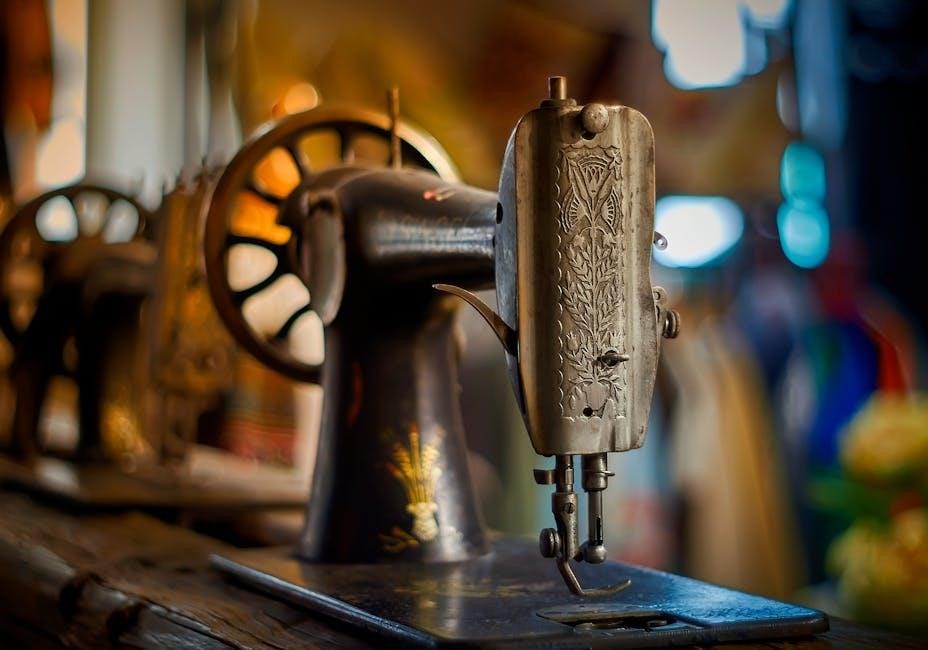
The Kenmore Sewing Machine Model 385 is a versatile and essential tool for various sewing tasks․ Its user-friendly design and comprehensive manual make it ideal for both beginners and experienced sewists, ensuring optimal performance and ease of use․

1․1 Overview of the Kenmore Sewing Machine Model 385

The Kenmore Sewing Machine Model 385 is a versatile and reliable appliance designed for a wide range of sewing tasks․ Known for its sturdy build and durable materials, this machine is ideal for both beginners and experienced sewists․ It offers a variety of features, including multiple stitch options and a user-friendly interface, making it suitable for sewing, repairing, and crafting projects․ The machine’s manual provides detailed guidance on setup, operation, and maintenance, ensuring optimal performance․ With its comprehensive design, the Kenmore 385 is a practical choice for anyone looking to create professional-quality results at home․ Its durability and ease of use make it a favorite among sewing enthusiasts․

1․2 Importance of the Manual for Optimal Usage

The manual for the Kenmore Sewing Machine Model 385 is essential for ensuring optimal performance and longevity of the machine․ It provides detailed instructions on threading, bobbin winding, tension adjustment, and troubleshooting common issues․ By following the manual, users can avoid errors, maintain proper machine function, and achieve professional-quality results․ The guide also includes safety precautions and maintenance tips, such as cleaning and oiling, to keep the machine in excellent condition․ Additionally, the manual covers advanced features like stitch selection and presser foot usage, helping users unlock the machine’s full potential․ Referencing the manual regularly ensures that users maximize their sewing experience and extend the life of their Kenmore 385․

Setting Up the Sewing Machine

Setting up the Kenmore Sewing Machine Model 385 involves unpacking, inspecting, and assembling if required․ Locate the model and serial numbers for future reference, ensuring everything is in working order before use․

2․1 Unpacking and Initial Inspection

Begin by carefully unpacking the Kenmore Sewing Machine Model 385 from its box․ Inspect the machine for any visible damage or scratches․ Check all components, including the power cord, presser feet, and accessories, to ensure nothing is missing or damaged․ Verify that the machine is complete and in good condition before proceeding․ Locate the model number and serial number on the nomenclature plate, usually found on the back or bottom of the machine, and record them for future reference․ Refer to the manual for guidance on proper setup and assembly if required․ Ensure all parts are accounted for and in working order before initial use․

2;2 Locating the Model Number and Serial Number

The model number and serial number of your Kenmore Sewing Machine Model 385 are crucial for warranty claims, service requests, and ordering parts․ These numbers are typically found on a nomenclature plate located on the back or bottom of the machine․ The model number starts with “385” and is followed by additional digits, while the serial number is a unique sequence that identifies your specific unit․ Carefully record both numbers in the space provided in your manual or in a secure location for easy access․ This information is essential for contacting Sears Service Centers or verifying warranty coverage․ Always have these details handy for any future maintenance or repair needs․

2․3 Assembling the Machine (if required)

Some Kenmore Sewing Machine Model 385 units may require minor assembly upon unpacking․ Begin by carefully removing all components from the packaging and inspecting for any damage․ If your machine comes partially disassembled, refer to the manual for specific instructions on attaching parts like the sewing table, presser foot, or additional accessories․ Ensure all screws and bolts are securely tightened, but avoid over-tightening to prevent damage․ Place the machine on a stable, flat surface before plugging it in․ If unsure about any step, consult the manual or contact Sears customer support for assistance․ Proper assembly is key to ensuring smooth operation and longevity of your sewing machine․

Threading the Sewing Machine

Threading the Kenmore Sewing Machine Model 385 is straightforward when following the manual’s guidance․ Proper thread alignment and tension ensure smooth stitching and optimal performance․

3․1 Step-by-Step Guide to Threading the Machine

Threading the Kenmore Sewing Machine Model 385 requires careful attention to detail to ensure proper function․ Start by placing the spool of thread on the spool pin․ Take the end of the thread and insert it into the machine’s tension discs, located at the top of the machine․ Follow the path outlined in the manual, guiding the thread through the take-up lever and down toward the needle․ Insert the thread through the needle’s eye from front to back․ Pull gently to remove any slack and ensure the thread is seated correctly․ Refer to the manual’s diagrams for visual guidance if needed․

3․2 Understanding Thread Tension Adjustment

Proper thread tension is crucial for consistent stitching on the Kenmore Sewing Machine Model 385․ The upper thread tension can be adjusted using the small dial located above the needle․ Turning the dial clockwise increases tension, while counterclockwise decreases it․ The bobbin tension, located on the bobbin case, is usually preset but may require adjustment if stitches are uneven․ Always test the tension by gently pulling the thread to ensure it’s not too tight or loose․ Improper tension can lead to issues like loose stitches or fabric puckering․ Refer to the manual for specific guidance on balancing tension for optimal sewing performance․

Bobbin Winding and Installation

Wind the bobbin evenly using the spindle, ensuring the thread is taut․ Install the bobbin into the machine’s bobbin case, aligning it properly․ Hold the thread firmly to prevent tangles․ Correct installation ensures smooth stitching and prevents operational issues․

4․1 How to Wind the Bobbin Correctly

To wind the bobbin correctly, start by placing an empty bobbin on the spindle․ Thread the machine and pull the thread through the bobbin winding guide․ Hold the thread gently but firmly to avoid tangling․ Begin winding slowly, ensuring the thread wraps evenly around the bobbin․ Avoid overfilling, as this can cause stitching issues․ Once the bobbin is full, cut the excess thread and remove it from the spindle․ Properly wound bobbins are essential for smooth stitching and consistent tension, preventing common sewing problems․

4;2 Installing the Bobbin in the Machine

Insert the wound bobbin into the bobbin case, ensuring it sits correctly in the designated area․ Gently pull the thread to guide it through the tension spring․ Snap the bobbin case into place in the machine’s bobbin compartment․ Close the compartment cover securely․ Pull the thread gently to ensure proper tension is set․ This step ensures the bobbin thread feeds smoothly during sewing․ Proper installation prevents issues like uneven stitches or thread breakage․ Always refer to the manual for specific guidance on your Kenmore 385 model to ensure accurate placement and tension setup․

Stitch Selection and Operation

The Kenmore 385 offers a variety of stitches, including straight, zigzag, and decorative options․ Easily select stitches using the dial or buttons for precise control, enhancing your sewing projects with versatility and creativity․

5․1 Types of Stitches Available on the Model 385

The Kenmore Sewing Machine Model 385 features an extensive range of stitches, including straight, zigzag, and various decorative patterns․ These stitches are ideal for different fabrics and sewing projects, from delicate materials to heavy-duty tasks․ The machine also includes stretch stitches for knits and specialized stitches for home decor․ This versatility allows users to tackle a wide array of sewing needs with precision and creativity․ The stitch selection dial makes it easy to choose the perfect stitch for any project, ensuring professional-quality results․ Whether you’re making clothes, quilts, or home decor items, the Model 385 has the right stitch for the job․ Its comprehensive stitch library ensures that sewists of all skill levels can achieve stunning outcomes․

5․2 Adjusting Stitch Length and Width

Adjusting the stitch length and width on the Kenmore Sewing Machine Model 385 is essential for achieving the desired results․ The machine features a stitch length dial and a stitch width dial, allowing precise control․ For straight stitches, set the width to a minimum, and adjust the length based on fabric type․ For zigzag stitches, both length and width can be customized․ The manual provides guidelines for common fabrics, helping users choose appropriate settings․ Proper tension maintenance is crucial to prevent fabric bunching or thread breakage․ Testing on scrap fabric before sewing ensures accurate settings․ This feature-rich machine offers flexibility, enabling users to adapt stitches to various projects with ease and precision, ensuring professional-quality outcomes for all sewing tasks․

Maintenance and Care

Regular cleaning, oiling, and proper storage are essential for maintaining the Kenmore Sewing Machine Model 385․ This ensures smooth operation and prolongs its lifespan effectively․

6․1 Cleaning the Sewing Machine

Regular cleaning is crucial for maintaining the Kenmore Sewing Machine Model 385․ Turn off and unplug the machine before starting․ Use a soft brush or lint remover to gently sweep away dust, thread scraps, and debris from the bobbin area, needle plate, and tension discs․ Avoid using liquids or harsh chemicals, as they may damage the machine’s finish or internal components․ For stubborn lint, a small, dry cotton swab can be used to clean tight spaces․ After cleaning, ensure all parts are dry and free of residue․ Proper cleaning prevents dust buildup, reduces friction, and ensures smooth operation․ Regular maintenance helps extend the machine’s lifespan and performance․

Tips: Clean after every project to prevent lint accumulation and keep the machine running efficiently․

6․2 Oiling the Machine for Smooth Operation

Regular oiling is essential to maintain the smooth operation of the Kenmore Sewing Machine Model 385․ Locate the oiling points, typically found near the bobbin area and handwheel, as indicated in the manual․ Use high-quality sewing machine oil to ensure optimal performance․ Apply a few drops to the specified areas, then gently turn the handwheel to distribute the oil evenly․ Avoid over-oiling, as excess oil can attract dust and cause maintenance issues․ After oiling, run the machine without fabric for a few minutes to allow the oil to circulate․ Proper lubrication reduces friction, prevents wear, and ensures quiet, efficient stitching․ Regular oiling is crucial for extending the machine’s lifespan and maintaining its reliability․

Tips: Always use the oil recommended in the manual to avoid damaging your machine․

6․3 Storing the Machine Properly

Proper storage is crucial to maintain the Kenmore Sewing Machine Model 385’s performance and longevity․ After cleaning and oiling, cover the machine with a dust cover or plastic bag to protect it from dust and debris․ Store it in a dry, cool place away from direct sunlight and moisture․ Avoid extreme temperatures, as they may damage the machine’s components․ Keep the machine upright to prevent oil from leaking into unwanted areas․ Store accessories like bobbins, needles, and presser feet in a separate, labeled container․ Regularly inspect stored items for signs of wear or damage․ Proper storage ensures the machine remains in excellent condition for future use․

Remember to store the machine in a secure location to prevent accidental damage or tampering․

Troubleshooting Common Issues

The Kenmore 385 manual helps users troubleshoot common issues like thread breakage, tension problems, and bobbin-related concerns, ensuring smooth sewing operations․

7․1 Diagnosing Thread Breakage Problems

Thread breakage on the Kenmore 385 sewing machine can often be traced to improper threading, incorrect tension settings, or using the wrong needle type․ To diagnose, first, check if the thread is correctly threaded through the machine, ensuring it follows the designated path without twists․ Next, inspect the tension dials to confirm they are set appropriately for the fabric type․ If issues persist, examine the bobbin area for proper winding and installation; Additionally, ensure the needle is compatible with the thread and fabric being used․ If the problem continues, consult the manual for detailed troubleshooting steps or consider professional servicing to resolve the issue effectively․

7․2 Fixing Tension Imbalances

Tension imbalances on the Kenmore 385 sewing machine can lead to uneven stitching or thread breakage․ To address this, start by ensuring the thread is correctly threaded through the machine, following the designated path without twists․ Next, check the top thread and bobbin tension dials, adjusting them slightly to achieve balanced stitches․ Using the appropriate needle type for your fabric is crucial to maintaining proper tension․ Regularly cleaning the machine to remove dust and lint can also prevent tension issues․ If problems persist, consult the manual for specific adjustment techniques or consider professional servicing to restore optimal performance and ensure smooth operation․

7․3 Solving Bobbin-Related Issues

Bobbin-related issues on the Kenmore 385 sewing machine can disrupt your sewing projects․ To resolve these, ensure the bobbin is wound correctly and evenly, avoiding over-or under-filling․ Properly install the bobbin in the case, making sure it’s seated securely and aligned with the machine’s mechanisms․ Check for lint or debris in the bobbin area, as this can cause improper threading or tension․ If the bobbin thread isn’t catching, inspect the needle for damage or incorrect installation․ Using the correct bobbin type for your machine is essential․ If issues persist, refer to the manual for troubleshooting steps or contact a Sears service center for professional assistance to ensure smooth operation and prevent further complications․

Advanced Features of the Kenmore 385

The Kenmore 385 features advanced functions like the zigzag stitch for decorative sewing and specialized presser feet for handling various fabrics and tasks efficiently․

8․1 Using the Zigzag Stitch Function

To use the zigzag stitch on the Kenmore 385, start by selecting the correct stitch option using the stitch selector dial․ Ensure the machine is properly threaded and the correct presser foot is attached for smooth fabric movement․ Adjust the stitch length and width as needed for your project․ Practice on scrap fabric to achieve the desired effect before sewing on your final material․ This feature is ideal for decorative sewing and adding unique textures to your creations․

8․2 Working with Specialized Presser Feet

Specialized presser feet are essential for optimizing the performance of your Kenmore 385 sewing machine․ The zigzag foot is ideal for general sewing, while the blind hem foot is perfect for invisible hems․ The zipper foot allows for precise stitching near zippers or thick seams․ To attach a presser foot, lift the foot holder, align the foot with the shank, and snap it into place securely․ Always unplug the machine before changing feet for safety․ Using the right presser foot ensures better fabric control, reduces bunching, and achieves professional-looking results․ Consult the manual for specific instructions on using each foot effectively for various projects․

Safety Instructions

Always handle sharp objects like needles and scissors with care․ Avoid wearing loose clothing near moving parts․ Keep children away while operating the machine․ Follow all safety guidelines to prevent accidents and ensure safe sewing experiences․

9․1 General Safety Precautions

Always prioritize your safety while operating the Kenmore Sewing Machine Model 385․ Handle sharp objects like needles and scissors with care to avoid injuries․ Keep loose clothing or long hair tied back to prevent entanglement with moving parts․ Ensure the machine is placed on a stable, flat surface to avoid accidental tipping․ Never leave the machine unattended while it is in operation, especially if children are nearby․ Avoid operating the machine when fatigued or distracted․ Regularly inspect the machine for damage or wear and tear․ Follow all electrical safety guidelines to prevent shocks or malfunctions․ By adhering to these precautions, you can ensure a safe and enjoyable sewing experience․

9․2 Electrical Safety Guidelines

To ensure safe operation of the Kenmore Sewing Machine Model 385, follow these electrical safety guidelines․ Always unplug the machine when not in use or during maintenance to prevent accidental start-ups․ Avoid using damaged power cords or plugs, as they can cause electrical shocks․ Keep the machine away from water and moisture to prevent short circuits․ Use only the power source specified in the manual to avoid overloading the motor․ Never touch electrical components with wet hands or while standing on a wet surface․ Store the machine in a dry, cool place to protect its electrical systems․ If you suspect a malfunction, disconnect the power immediately and contact a qualified technician․ Prioritizing electrical safety helps protect both you and your machine from potential hazards․

Compatible Accessories

The Kenmore Sewing Machine Model 385 supports various accessories, including specialized presser feet, additional bobbins, and extension tables․ These enhance functionality and versatility for different sewing projects․

10․1 List of Recommended Presser Feet

The Kenmore Sewing Machine Model 385 is compatible with a variety of presser feet to enhance sewing capabilities․ Recommended options include the zigzag foot for decorative stitching, the zipper foot for precise zipper installation, and the buttonhole foot for creating professional buttonholes․ Additionally, the blind hem foot is ideal for sewing invisible hems, while the walking foot helps manage thick fabrics like denim․ These accessories are designed to optimize performance and expand the machine’s versatility for diverse sewing projects․ They can be purchased from Sears or authorized Kenmore dealers, ensuring compatibility and quality․

10․2 Additional Accessories for Enhanced Sewing

Enhance your sewing experience with additional accessories designed for the Kenmore Sewing Machine Model 385․ These include extra bobbin cases for quick thread changes, replacement needles in various sizes, and quilting bars for managing larger projects․ The embroidery hoop allows for intricate designs, while specialized presser feet like the edge joining foot and overlock foot expand stitching options․ Maintenance tools, such as brushes and screwdrivers, are also available to keep the machine in top condition․ These accessories can be purchased from Sears or authorized Kenmore dealers, ensuring compatibility and quality․ They help users achieve professional results and maintain the machine’s performance for years to come․

Warranty and Service Information

The Kenmore Sewing Machine Model 385 is backed by a comprehensive warranty․ Contact Sears Service Centers for repairs or inquiries, ensuring to provide the machine’s model and serial number for efficient assistance․

11․1 Understanding the Warranty Coverage

The Kenmore Sewing Machine Model 385 is covered by a limited warranty that protects against defects in materials and workmanship․ The warranty period varies depending on the specific model and components, ensuring coverage for parts and labor under normal use․ To maintain warranty validity, users must register their machine and retain the purchase receipt․ The warranty does not cover damages resulting from misuse, improper maintenance, or unauthorized repairs․ For detailed terms and conditions, refer to the warranty section in the manual․ Always record the model number and serial number for warranty service requests․ Contact Sears Service Centers for any warranty-related inquiries or claims․

11․2 Contacting Sears Service Centers

To contact Sears Service Centers for assistance with your Kenmore Sewing Machine Model 385, visit their official website or call their customer service hotline․ Enter your machine’s model number, which can be found on the nomenclature plate, to locate the nearest service center․ Have your model number and serial number ready, as well as a detailed description of the issue, to expedite the process․ Sears Service Centers provide authorized repairs, maintenance, and genuine parts, ensuring your machine remains in optimal condition․ For warranty-related services, ensure your machine is registered and all required documentation is available․ Always use Sears-authorized service centers to maintain warranty validity and ensure reliable support․

Mastering the Kenmore Sewing Machine Model 385 is achievable with this manual․ Follow the guide for efficient operation, proper care, and troubleshooting to ensure longevity and performance․

12․1 Summary of Key Points

This manual provides a comprehensive guide for the Kenmore Sewing Machine Model 385, covering setup, operation, and maintenance․ It includes detailed instructions for threading, bobbin winding, and stitch selection, ensuring optimal performance․ Troubleshooting tips and safety guidelines are emphasized to enhance user experience․ The manual also highlights the importance of proper cleaning, oiling, and storage to extend the machine’s lifespan․ Accessories and warranty information are included for convenience․ By following this guide, users can maximize their sewing efficiency and enjoy a seamless creative process․ Regular maintenance and adherence to safety precautions are key to preserving the machine’s functionality and ensuring years of reliable service․

12․2 Final Tips for Maximizing Machine Performance

To ensure the Kenmore Sewing Machine Model 385 operates at its best, regular maintenance is crucial․ Always thread the machine correctly and adjust tension as needed to prevent thread breakage․ Select the appropriate stitch type for your fabric to achieve professional results․ Keep the machine clean and well-oiled to maintain smooth operation․ Use compatible accessories and presser feet for specific tasks․ Avoid overloading the machine and ensure a stable power supply․ Store the machine properly when not in use to protect it from dust and damage․ By following these tips, you can extend the machine’s lifespan and enjoy consistent, high-quality sewing performance․


manual for arctic king air conditioner

Category : Manuals

The Arctic King Air Conditioner is a reliable solution for cooling needs, offering models like the 12000 BTU version. Designed for efficiency and comfort, it features insulation panels and eco-friendly refrigerants like R410a. With a focus on quiet operation and energy savings, this unit is ideal for home use, supported by a comprehensive manual for optimal performance.

1.1 Overview of the Arctic King Air Conditioner

The Arctic King Air Conditioner is a trusted choice for efficient cooling, offering models like the 12,000 BTU unit. Designed for versatility, it suits various room sizes and provides consistent temperature control. With features like R410a refrigerant, energy-efficient operation, and quiet performance, it ensures comfort while being environmentally friendly. The unit comes with an easy-to-use remote and LED display, making it a practical solution for home cooling needs. Proper installation and maintenance, as outlined in the manual, are key to optimal performance and longevity.

1.2 Importance of the User Manual

The user manual is essential for understanding and optimizing the Arctic King Air Conditioner’s performance. It provides detailed installation instructions, safety precautions, and troubleshooting tips. By following the manual, users can ensure proper setup, energy efficiency, and longevity of the unit. It also explains error codes, maintenance routines, and eco-friendly practices. Referencing the manual helps users avoid common issues and ensures safe operation, making it a vital resource for both installation and daily use.

Key Features and Specifications

The Arctic King Air Conditioner offers 12000 BTU cooling capacity, energy-efficient operation, and eco-friendly R410a refrigerant. It features low noise levels and is designed for home use.

2.1 Cooling Capacity and BTU Ratings

The Arctic King Air Conditioner offers a robust cooling capacity, with models featuring up to 12000 BTU ratings. British Thermal Units (BTUs) measure cooling power, and higher ratings indicate greater cooling capability. This makes the Arctic King suitable for medium-sized rooms, ensuring efficient temperature control. The unit’s design optimizes airflow and energy use, providing consistent cooling while maintaining a balance between performance and energy efficiency.

2.2 Energy Efficiency and Eco-Friendliness

The Arctic King Air Conditioner is designed with energy efficiency in mind, utilizing eco-friendly refrigerants like R410a, which minimize environmental impact. The unit features advanced insulation panels to reduce energy loss and optimize cooling performance. With a focus on sustainable operation, the Arctic King ensures lower power consumption while maintaining effective cooling, making it an environmentally responsible choice for homeowners seeking to balance comfort and energy savings.

2.3 Noise Levels and Operational Modes

The Arctic King Air Conditioner operates with minimal noise, featuring sound levels ranging from 65.8 to 81 dB(A), ensuring a quiet environment. It offers multiple operational modes, including silent mode for reduced noise and fan-only mode for air circulation without cooling. These modes enhance comfort and flexibility, allowing users to tailor the unit’s performance to their needs while maintaining efficient operation and energy savings. The unit’s design prioritizes quiet performance, making it suitable for home and office spaces.

Installation and Setup

Ensure proper installation with insulation panels and weatherstripping kits for optimal performance. Follow pre-installation checks and step-by-step guides for window or portable setups, adhering to safety guidelines.

3.1 Pre-Installation Checks

Before installing your Arctic King Air Conditioner, ensure the area is clear and level. Verify the window dimensions match the unit’s size for proper fit. Check the electrical supply matches the conditioner’s voltage requirements. Inspect the unit for any damage and ensure all accessories like insulation panels are included. Proper pre-installation checks ensure safe and efficient operation, preventing potential issues like water leaks or poor airflow. Follow the manual’s guidelines for a hassle-free setup.

3.2 Step-by-Step Installation Guide

Begin by placing the Arctic King Air Conditioner on a firm, level surface, such as a windowsill. Ensure the unit is securely positioned and level. Install the mounting brackets provided in the kit to stabilize the conditioner. Secure the side panels tightly to prevent air leaks. Place the insulation panel on the window to maintain efficiency. Connect the drain hose and plug in the unit. Finally, test the conditioner by setting it to a low cooling mode to ensure proper function. Always follow safety guidelines for a stable installation.

3.3 Window and Portable Installation Options

The Arctic King Air Conditioner offers versatile installation options. For window installation, ensure the unit fits securely, using the provided insulation panels to seal gaps and prevent air leaks. Portable models can be placed in any well-ventilated room, with the exhaust hose directed outside. Both options require a level surface and proper drainage setup to function efficiently. Follow the manual’s guidelines for securing the unit and ensuring stability to maximize performance and safety.

Operating the Air Conditioner

Operate the Arctic King Air Conditioner using the control panel or remote. Adjust temperature, fan speed, and modes for optimal comfort. Refer to the manual for settings.

4.1 Understanding the Control Panel and Remote

The Arctic King Air Conditioner features an intuitive control panel with an LED display and buttons for temperature, fan speed, and mode selection. The remote control offers convenient operation from a distance, allowing users to adjust settings without moving. The control panel includes a thermostat, timer, and eco-mode for energy efficiency. Understanding these components ensures optimal performance. Refer to the manual for detailed guidance on using the control panel and remote effectively to customize your cooling experience.

4.2 Setting the Thermostat and Temperature Modes

The Arctic King Air Conditioner allows precise temperature control via its thermostat, which can be adjusted using the control panel or remote. Modes include Cool, Fan, and Dry, catering to different needs. Set your desired temperature between 60-90°F for optimal comfort. The thermostat maintains the set temperature, ensuring efficient cooling. Use the remote to conveniently switch modes or adjust settings. For energy savings, enable the timer or eco-mode, which optimizes performance based on room conditions. Adjusting these settings properly ensures a comfortable and energy-efficient cooling experience.

4.3 Airflow and Fan Speed Adjustments

The Arctic King Air Conditioner offers adjustable airflow and fan speed settings to customize your cooling experience. Use the remote or control panel to direct air flow vertically or horizontally. Choose from multiple fan speeds—low, medium, or high—to optimize air circulation. The swing mode ensures even air distribution across the room. Adjusting these settings helps maintain consistent temperatures, reduces noise, and enhances comfort. Proper airflow management improves efficiency and ensures the unit operates effectively in various room layouts and conditions.

Maintenance and Upkeep

Regular maintenance ensures optimal performance. Clean the air filter, check drainage, and service the unit annually. Proper upkeep extends lifespan and maintains efficiency, preventing issues.

5.1 Cleaning the Air Filter and Grill

Cleaning the air filter and grill is essential for maintaining efficiency. Turn off the unit and unplug it for safety. Remove the filter and wash it with mild soap and warm water. Allow it to dry completely before reinstalling. Use a soft brush or cloth to wipe the grill, ensuring no dust or debris obstructs airflow. Regular cleaning prevents reduced cooling performance and energy waste. Clean the filter monthly or as needed based on usage. Proper maintenance ensures optimal operation and energy savings.

5.2 Drainage and Water Leak Prevention

Proper drainage is crucial to prevent water leaks. Ensure the drain pan is clear and the unit is level to avoid water accumulation. Regularly inspect the condensate drain hose for blockages. If installed in a window, check that the unit is slightly tilted backward to direct water outside. Consider using a condensate pump for units in basements or areas with poor drainage. Addressing drainage issues promptly prevents water damage and mold growth, ensuring safe and efficient operation of your Arctic King air conditioner.

5.3 Regular Servicing and Professional Maintenance

Regular servicing is essential for optimal performance and longevity. Clean or replace air filters every 30 days to maintain airflow and efficiency. Inspect the condenser coils annually for dirt buildup and clean them if necessary. Check refrigerant levels and ensure proper charging to avoid reduced cooling capacity. Have a licensed technician perform professional maintenance at least once a year to inspect internal components and address potential issues before they escalate. This ensures your Arctic King air conditioner operates efficiently and reliably throughout its lifespan.

Troubleshooting Common Issues

Troubleshooting common issues with your Arctic King air conditioner involves checking error codes, ensuring proper refrigerant levels, and addressing unusual noises promptly to maintain efficiency and performance.

6.1 Identifying and Solving Common Problems

Common issues with the Arctic King air conditioner include error codes, insufficient cooling, and unusual noises. Check the error code list in the manual for specific solutions. For cooling issues, ensure proper installation and clean filters. Strange noises may indicate loose parts or improper leveling. Regularly inspect refrigerant levels and ensure proper drainage to prevent water leaks. Addressing these problems promptly ensures optimal performance and extends the unit’s lifespan. Always refer to the manual for detailed troubleshooting steps.

6.2 Error Codes and Their Meanings

The Arctic King air conditioner displays error codes like E1, E2, or E3, indicating specific issues. E1 often relates to sensor malfunctions, while E2 may signal refrigerant leaks. E3 could indicate a communication error between the indoor and outdoor units. Refer to the manual for a detailed list of codes and their meanings. Addressing these issues promptly ensures efficient operation and prevents further damage. Always follow the recommended solutions or consult a professional if the problem persists.

6.3 Resetting the Air Conditioner

To reset the Arctic King air conditioner, turn it off at both the unit and the circuit breaker. Wait 30 seconds to allow the system to fully power down. Switch it back on and check if the issue is resolved. If the problem persists, refer to the error code section or contact customer support. Resetting can resolve minor glitches without needing professional assistance. Ensure proper power cycling to maintain optimal performance and prevent further issues. Regular resets can help maintain efficiency and extend the unit’s lifespan.

Energy Efficiency and Cost Savings

Energy efficiency is crucial for reducing costs. Arctic King air conditioners offer high EER and Energy Star ratings, ensuring lower energy consumption and long-term savings. Explore tips to maximize efficiency.

7.1 Understanding EER and Energy Star Ratings

The Energy Efficiency Ratio (EER) measures cooling capacity per power consumption. Higher EER indicates better efficiency. Energy Star certification ensures the unit meets EPA standards for energy savings. Arctic King air conditioners with high EER and Energy Star ratings reduce energy bills and environmental impact. These ratings guide consumers in selecting eco-friendly, cost-effective models. Understanding these metrics helps optimize energy use and long-term savings, aligning with eco-conscious practices.

7.2 Tips for Reducing Energy Consumption

To minimize energy use with your Arctic King air conditioner, ensure proper installation with insulation kits. Use programmable thermostats to maintain consistent temperatures. Regularly clean filters and check for refrigerant leaks. Utilize fan mode to circulate cooled air efficiently. Close windows and doors tightly to prevent air leakage. Lower the unit’s workload by shading windows during peak sun hours. These practices optimize performance, reduce energy bills, and extend the unit’s lifespan while promoting eco-friendly operation.

Environmental Considerations

The Arctic King air conditioner uses eco-friendly R410a refrigerant, ensuring minimal environmental impact. Proper disposal and recycling of parts are essential for sustainability and environmental safety.

8.1 Refrigerant Type and Safety

The Arctic King air conditioner utilizes R410a refrigerant, a more environmentally friendly alternative to older chlorofluorocarbons. This refrigerant minimizes ozone layer depletion and adheres to modern safety standards. Proper handling is crucial to prevent leaks, which can pose environmental risks. Users should follow manual guidelines for safe operation and disposal, ensuring compliance with eco-friendly practices. Regular checks for refrigerant leaks are recommended to maintain efficiency and environmental safety.

8.2 Proper Disposal and Recycling Guidelines

Proper disposal of the Arctic King air conditioner is essential to protect the environment. Users should ensure refrigerants like R410a are safely removed by certified professionals. The unit’s metal components can be recycled, reducing waste. Always follow local regulations and guidelines for appliance disposal. The manual recommends checking with local recycling centers for appropriate procedures. Eco-friendly disposal helps minimize environmental impact and promotes sustainable practices.

Accessories and Optional Features

Enhance your Arctic King AC experience with accessories like insulation kits and programmable thermostats. These features improve efficiency and compatibility with smart home systems for convenience.

9.1 Insulation and Weatherstripping Kits

Insulation and weatherstripping kits are essential for maximizing the efficiency of your Arctic King air conditioner. These kits help prevent air leaks, ensuring cooled air stays inside and hot air remains outside. Proper insulation also reduces noise and vibrations, enhancing overall performance. By sealing gaps around the unit, you maintain consistent cooling and lower energy consumption. These kits are easy to install and are highly recommended for both window and portable air conditioner setups to ensure optimal functionality and energy savings. Always use genuine or compatible kits for best results.

9.2 Programmable Thermostats and Smart Home Integration

Programmable thermostats and smart home integration enhance your Arctic King air conditioner’s functionality. These features allow you to schedule cooling in advance, optimizing energy use and comfort. Smart home compatibility enables control via Wi-Fi, using apps or voice commands with systems like Alexa or Google Home. Remote access lets you adjust settings, monitor energy consumption, and receive maintenance alerts. Ensure compatibility with your unit for seamless integration, improving efficiency and convenience while maintaining your desired comfort levels effortlessly.

User Safety and Precautions

Ensure electrical safety by avoiding overloaded circuits and using grounded outlets. Prevent fire hazards by keeping flammable materials away and following installation guidelines carefully.

10.1 Electrical Safety Guidelines

Always use a grounded electrical outlet rated for the unit’s power requirements. Avoid overloading circuits and ensure the conditioner is installed by a licensed technician. Keep the unit away from water sources to prevent electrical shock. Never use damaged cords or plugs, as they pose fire risks. Regularly inspect the power cord for signs of wear. Ensure proper ventilation to avoid overheating. Follow all local electrical codes and manufacturer recommendations for safe operation. Consult a professional if unsure about any electrical connections;

10.2 Avoiding Overloading and Fire Hazards

Avoid overloading circuits by ensuring the air conditioner is the only appliance on its electrical circuit. Never use extension cords, as they can overheat and cause fires. Keep flammable materials away from the unit. Regularly inspect electrical components for damage or wear. Ensure proper installation by a licensed technician to prevent electrical issues. Avoid operating the conditioner near water sources or in poorly ventilated areas, as this can increase fire risks. Always follow the manufacturer’s guidelines to ensure safe operation.

Warranty and Customer Support

The Arctic King Air Conditioner comes with a comprehensive warranty covering parts and labor for a specified period. For assistance, contact customer support via phone, email, or online chat for troubleshooting and service requests. Ensure to register your product for extended benefits and faster assistance. Refer to the manual for detailed warranty terms and conditions.

11.1 Understanding the Warranty Coverage

The Arctic King Air Conditioner is backed by a comprehensive warranty that covers parts and labor for a specified period. The warranty typically includes repairs or replacements for defective components due to manufacturing issues. Registration is often required to activate the warranty, ensuring extended protection. Coverage may exclude damages caused by improper installation or misuse. Always refer to the manual for detailed terms and conditions, including the duration and scope of the warranty. This ensures optimal protection for your investment. Proper maintenance can also extend warranty benefits.

11.2 Contacting Customer Service

For assistance with your Arctic King Air Conditioner, customer service can be reached via phone or email. The support team is available to address inquiries, provide troubleshooting guidance, and assist with warranty claims. Visit the official website for contact details and additional resources, such as FAQs and service center locations. Ensure to have your model number and purchase details handy for efficient support. Representatives are trained to resolve issues promptly, ensuring optimal performance of your unit. Refer to the manual for specific contact information and support options.

The Arctic King Air Conditioner manual provides essential guidance for optimal performance, efficiency, and eco-friendly operation; Proper usage ensures a cooler, more comfortable environment while minimizing energy consumption effectively.

12.1 Summary of Key Points

The Arctic King Air Conditioner manual emphasizes proper installation, energy efficiency, and eco-friendly features. With BTU ratings like 12000, it ensures powerful cooling. Using R410a refrigerant, it aligns with environmental standards. Key features include insulation panels, LED displays, and programmable thermostats for optimal performance. Regular maintenance, such as cleaning filters, is crucial. The manual also covers troubleshooting, warranty details, and safety guidelines. By following the manual, users can maximize efficiency, reduce energy costs, and enjoy a comfortable environment while minimizing environmental impact.

12.2 Final Tips for Optimal Performance

For optimal performance, ensure proper installation using insulation panels and weatherstripping kits. Regularly clean the air filter and check for refrigerant leaks. Use programmable thermostats to maintain energy efficiency and adjust settings when the room is unoccupied. Keep the unit away from direct sunlight and ensure good airflow. Refer to the manual for specific maintenance schedules and troubleshooting guides to extend the lifespan and efficiency of your Arctic King Air Conditioner;


zion mountain guides

Category : Guide

Zion National Park, located in southwestern Utah, is renowned for its stunning red rock canyons and diverse landscapes, offering a unique blend of natural beauty and adventure opportunities.

1.1 Overview of Zion National Park’s Location and Significance

Zion National Park, nestled in southwestern Utah near Springdale, spans 593 square kilometers. Its proximity to Las Vegas (270 km) and Utah’s capital (480 km) makes it a prime destination. Known for its iconic red rock canyons and diverse ecosystems, Zion is a testament to natural beauty, attracting millions annually for its hiking trails, unique landscapes, and rich geological history.

1.2 Importance of Mountain Guides in Zion

Morning guides are essential for navigating Zion’s complex terrain, offering expert knowledge of trails, safety protocols, and hidden gems. They ensure a safe and enriching experience, especially for less experienced visitors. Guides provide insights into the park’s history and ecosystems, enhancing the adventure and allowing visitors to fully immerse in Zion’s natural beauty and unique landscapes.

Zion Mountain Guides Overview

Zion Mountain Guides are premier adventure outfitters, offering expert-led tours, canyoneering, rock climbing, and outfitting services. They provide unparalleled local knowledge and safety expertise, ensuring unforgettable experiences.

2.1 History and Reputation of Zion Mountain Guides

Zion Mountain Guides, established in 2003, are a trusted outfitter with over two decades of experience. Known for their local expertise and certified guides, they’ve built a reputation for safety, professionalism, and unforgettable adventures. Their dedication to sustainable tourism and customer satisfaction has earned them stellar reviews, making them a top choice for exploring Zion’s unique landscapes.

2.2 Services Offered by Zion Mountain Guides

Zion Mountain Guides provide comprehensive adventure services, including guided hiking, canyoneering, and rock climbing tours. They also offer Narrows outfitting, bike rentals, and wellness workshops. Custom tours cater to private groups, families, and multi-day expeditions, ensuring personalized experiences. Their expertise covers less-traveled areas, making them a top choice for unique and memorable adventures in Zion National Park.

2.3 Why Choose Zion Mountain Guides?

Zion Mountain Guides are the premier choice for adventurers due to their deep local knowledge, certified expertise, and personalized service. With decades of experience, they offer tailored tours for all skill levels, ensuring safety and unforgettable experiences. Their commitment to sustainability and small-group tours makes them a trusted partner for exploring Zion’s hidden gems and iconic landscapes.

Popular Activities and Tours

Zion offers a variety of thrilling activities, including hiking, canyoneering, rock climbing, and Narrows tours, each providing unique landscapes and unforgettable experiences with expert guidance from Zion Mountain Guides.

3.1 Hiking and Backpacking Tours

Zion Mountain Guides offers expert-led hiking and backpacking tours through Zion’s iconic trails, such as Angels Landing and The Narrows. These tours cater to all skill levels, providing breathtaking views of red rock formations, hidden canyons, and diverse wildlife. Guides ensure a safe and enriching experience, sharing insights into the park’s natural and cultural history while helping visitors navigate challenging terrain with confidence and ease.

3.2 Canyoneering Adventures

Zion Mountain Guides provides thrilling canyoneering adventures, exploring Zion’s iconic slot canyons and hidden landscapes. Participants rappel, hike, and navigate through breathtaking natural wonders under expert guidance. These tours offer a unique way to experience Zion’s rugged beauty, combining adventure with safety. Guides ensure a memorable and secure journey through the park’s lesser-known gems, making it an unforgettable experience for all skill levels.

3.3 Rock Climbing Expeditions

Zion Mountain Guides offers premier rock climbing expeditions tailored for all skill levels. From beginner-friendly routes to challenging ascents, their certified guides provide expert instruction and safety. Explore Zion’s iconic sandstone cliffs, experiencing breathtaking views and unique climbing opportunities. With a focus on safety and personalized attention, these expeditions ensure an unforgettable adventure in Zion’s rugged landscape.

3.4 Narrows Outfitting and Guided Tours

Zion Mountain Guides provides expert outfitting and guided tours for exploring the Virgin River Narrows, one of Zion’s most unique landscapes. They offer specialized equipment rentals and experienced guides to navigate the river’s stunning gorge. These tours allow visitors to immerse themselves in the natural beauty of the Narrows while ensuring safety and maximizing the adventure experience.

Best Trails for Guided Tours

Zion’s iconic trails, like Angels Landing and The Narrows, offer breathtaking views and challenging routes, perfect for guided adventures with experienced Zion Mountain Guides.

4.1 Angels Landing Hike

Angels Landing is one of Zion’s most famous hikes, offering breathtaking 360-degree views. This challenging 5-mile round-trip trail features steep inclines and narrow ridges, requiring hikers to use chains in some areas. With guidance from Zion Mountain Guides, adventurers can safely navigate this iconic route, making it a must-do for those seeking unforgettable experiences in Zion’s stunning landscape.

4.2 The Narrows Hike

The Narrows Hike offers a unique experience, walking along the Virgin River as it carves through stunning slot canyons. With towering cliffs and crystal-clear water, this hike is a must-do. Guides from Zion Mountain Guides provide expert navigation and safety tips, ensuring a memorable adventure amidst Zion’s breathtaking scenery.

4.3 Zion Canyon Trails

Zion Canyon Trails offer scenic pathways through lush vegetation and red rock formations, providing breathtaking views of the canyon. From easy strolls like Riverside Walk to more challenging hikes, these trails cater to all skill levels. Zion Mountain Guides expertly navigate visitors through these iconic routes, ensuring a safe and enriching experience amidst the park’s natural beauty.

Planning Your Trip

Plan your Zion adventure by selecting trails, booking guides, and preparing gear. Ensure a smooth experience with expert guidance and thorough preparation for your journey.

5.1 Best Time to Visit Zion National Park

Zion National Park is best visited in spring (March-May) and fall (September-November) for mild weather and optimal hiking conditions. Summer offers warm temperatures but can be crowded, while winter provides a serene experience with fewer visitors, though some trails may be closed due to snow. Plan your trip according to your preferred activities and weather preferences for an ideal adventure.

5.2 Essential Gear and Equipment

Sturdy hiking boots, comfortable backpacks, and lightweight clothing are must-haves for Zion adventures. Bring sun protection, water, and a first aid kit. Navigation tools like maps and GPS devices are crucial. For climbing or canyoneering, ensure proper gear such as ropes, harnesses, and helmets. Check weather forecasts to prepare for variable conditions, ensuring a safe and enjoyable experience in Zion’s rugged terrain.

5.3 Booking and Preparing for Your Tour

Research Zion Mountain Guides’ tour options and book in advance to secure your spot. Gather essential gear, check weather conditions, and ensure physical readiness. Contact guides to tailor plans to your preferences. Visit their website or call (435) 772-3303 for bookings and inquiries, ensuring a well-prepared and memorable adventure in Zion’s stunning landscapes.

Safety and Preparation

Zion Mountain Guides prioritize safety with experienced guides, proper equipment, and adherence to safety measures. They ensure preparedness for emergencies, providing a secure experience in Zion’s rugged terrain.

6.1 Safety Tips for Hiking in Zion

  • Stay hydrated with at least 4 liters of water per person daily.
  • Wear sturdy footwear and use trekking poles for stability.
  • Check weather forecasts to avoid flash floods.
  • Carry a first aid kit and know basic first aid.
  • Avoid risky terrain and stay on designated trails.
  • Bring a map and GPS device or app.
  • Inform someone of your hiking plans and expected return time.

6.2 Weather Conditions and Risks

Zion’s weather can be unpredictable, with risks like flash floods in slot canyons and extreme heat during summer. Sudden storms may cause rapid water level rises, while winter brings cold temperatures and icy trails; Monitor forecasts, avoid canyons during rain, and stay prepared for changing conditions. Always carry extra layers and stay informed to ensure a safe adventure.

6.3 Emergency Procedures and First Aid

Zion Mountain Guides are trained in emergency response and first aid, ensuring preparedness for injuries, altitude sickness, or sudden illnesses. Guides carry essential medical supplies and know evacuation routes. In case of emergencies, stay calm, follow guide instructions, and use communication devices to alert authorities; Knowledge of terrain and weather helps mitigate risks, ensuring a safer adventure for all participants.

Guide Qualifications and Experience

Zion Mountain Guides are highly experienced professionals with certifications in first aid, CPR, and rock climbing. They possess extensive local knowledge and expertise, ensuring safe and memorable adventures.

7.1 Certifications and Training of Guides

Zion Mountain Guides hold certifications in wilderness first aid, CPR, and advanced rock climbing techniques. They undergo rigorous training in rescue operations and environmental stewardship. Their expertise ensures safe and successful adventures, tailored to diverse skill levels and interests, while maintaining the highest standards of professionalism and client safety in Zion’s unique landscapes.

7.2 Local Knowledge and Expertise

Zion Mountain Guides possess deep knowledge of the park’s terrain, weather, and hidden gems. With years of experience, they navigate Zion’s unique landscapes effortlessly, ensuring unforgettable adventures. Their expertise allows access to lesser-known trails and secret spots, providing visitors with unparalleled experiences tailored to their skills and interests.

7.3 Reviews and Testimonials from Past Clients

Zion Mountain Guides boasts an excellent reputation, with clients praising their expertise and personalized service. Many reviewers highlight the guides’ deep knowledge and ability to tailor adventures, ensuring unforgettable experiences. High ratings and glowing testimonials underscore their reliability and professionalism, making them a trusted choice for exploring Zion’s breathtaking landscapes.

Budgeting for Your Adventure

Plan wisely by considering guided tour costs, equipment rentals, and additional fees. Average tour prices range from $100 to $300 per person, depending on the activity and duration.

8.1 Cost of Guided Tours

Guided tours in Zion vary in cost, with half-day hikes starting around $120 per person and full-day adventures ranging from $200 to $300. Canyoneering and rock climbing tours are pricier, often between $250 and $400, depending on complexity. Multi-day expeditions can range from $600 to $1,200 or more. Prices typically include gear and expert guidance, ensuring a safe and memorable experience.

8.2 Additional Expenses to Consider

Beyond guided tour costs, visitors should budget for equipment rentals, transportation, and lodging. Food, water, and park entrance fees may also add to expenses. Optional gear like hiking boots or specialized clothing could incur extra costs. Planning ahead and checking with guides for included services can help manage these additional expenses effectively.

8.3 Budget-Friendly Options for Visitors

Zion Mountain Guides offers affordable options like group tours and seasonal discounts. Renting equipment or combining activities can reduce costs. Budget-friendly packages include guided hikes and canyoneering adventures. Visitors can also opt for self-guided explorations with rented gear. Booking in advance and choosing off-peak seasons can further lower expenses, making Zion accessible to all types of travelers.

Conservation and Sustainability

Zion Mountain Guides prioritize environmental sustainability through eco-friendly practices and educational initiatives, ensuring minimal impact on Zion’s natural beauty while promoting conservation efforts for future generations.

9.1 Environmental Impact of Guided Tours

Zion Mountain Guides employ eco-friendly practices to minimize their environmental footprint, ensuring sustainable tourism. By leading small groups and promoting Leave No Trace principles, they help preserve Zion’s natural beauty. Their efforts focus on reducing trail erosion and waste, fostering a deeper connection with nature while safeguarding it for future generations.

9.2 Zion Mountain Guides’ Commitment to Sustainability

Zion Mountain Guides prioritize sustainability through eco-conscious practices, minimizing waste, and promoting Leave No Trace principles. They partner with local organizations to protect Zion’s natural resources and educate visitors on environmental stewardship; By using reusable gear and supporting conservation efforts, they ensure their tours contribute positively to preserving the park’s pristine landscapes for future generations.

9.3 Visitor Etiquette and Leave No Trace Principles

Zion Mountain Guides emphasize the importance of visitor etiquette and Leave No Trace principles to preserve the park’s natural beauty. Visitors are encouraged to stay on designated trails, dispose of waste properly, and avoid disturbing wildlife. By adhering to these guidelines, guests help protect Zion’s fragile ecosystems and ensure a pristine experience for future explorers. Respect for nature is paramount.

Photography and Documentation

Zion Mountain Guides offer expert insights for capturing stunning photos in Zion’s iconic spots like the Narrows and Angels Landing, ensuring unforgettable visual memories of your adventure.

10.1 Best Spots for Photography in Zion

Zion offers breathtaking photography opportunities, with iconic spots like Angels Landing, The Narrows, and the Temple of Sinawava. Zion Mountain Guides can direct you to less crowded areas, capturing stunning vistas of red rock formations and unique canyon landscapes. Their expertise ensures you find the best lighting and angles for memorable shots, making your photography adventure unforgettable.

10.2 Tips for Capturing Stunning Images

For memorable photography in Zion, shoot during golden hours for soft lighting. Use a tripod for stability and experiment with angles to capture the park’s depth. Zion Mountain Guides recommend framing shots with natural elements like rivers or unique rock formations. Focus on leading lines and vibrant colors to enhance your compositions, ensuring every image reflects Zion’s breathtaking beauty.

10.3 Sharing Your Adventure on Social Media

Share your Zion adventures by posting stunning photos and videos on platforms like Instagram and Facebook. Use hashtags like #ZionNationalPark and tag locations to connect with fellow travelers. Consider geotagging iconic spots and engaging with Zion Mountain Guides’ accounts for inspiration. Sharing your experiences can inspire others and create lasting memories of your journey through Utah’s breathtaking landscapes.

Custom and Specialty Tours

Zion Mountain Guides offers custom tours, including private, group, and family-friendly adventures. Specialized options like multi-day retreats cater to diverse preferences and skill levels for unique experiences.

11.1 Private and Group Tours

Zion Mountain Guides provides flexible private and group tours tailored to your preferences. Whether exploring with family or friends, their expert guides ensure personalized experiences, offering customized itineraries to suit all skill levels and interests, making your adventure unique and unforgettable in Zion’s stunning landscapes.

11.2 Family-Friendly Adventures

Zion Mountain Guides offers family-friendly adventures designed for all ages and skill levels. From gentle hikes through scenic trails like the Narrows to exploring Emerald Pools, these tours ensure a safe and enjoyable experience for children and adults alike. Guides provide expert support and knowledge, making it easy for families to create lasting memories in Zion’s breathtaking landscapes.

11.3 Multi-Day Expeditions and Retreats

Zion Mountain Guides provides multi-day expeditions and retreats, offering immersive experiences in Zion’s wilderness. These extended adventures include guided hikes, canyoneering, and rock climbing, tailored to your group’s preferences. With expert guides, you’ll explore less-visited areas, enjoy scenic campsites, and connect deeply with nature, creating unforgettable memories in Utah’s iconic landscapes.

Zion Mountain Guides offers comprehensive services, from hikes to canyoneering, led by experienced guides, ensuring unforgettable adventures in Zion’s stunning landscapes.

12.1 Final Thoughts on Zion Mountain Guides

Zion Mountain Guides offers exceptional expertise, catering to all skill levels with tailored adventures like hiking, canyoneering, and rock climbing. Their experienced guides ensure safety and unforgettable experiences, making them a top choice for exploring Zion’s breathtaking landscapes. With a focus on sustainability and local knowledge, they provide comprehensive services, including gear rentals and multi-day expeditions, ensuring every visitor’s adventure is memorable and inspiring. Book your tour today and discover Zion’s hidden gems!

12.2 Encouragement to Plan Your Visit

Plan your visit to Zion National Park with Zion Mountain Guides for an unforgettable adventure! Explore stunning landscapes, from iconic hikes like Angels Landing to thrilling canyoneering and rock climbing. With expert guides and comprehensive services, you’ll experience Zion’s natural beauty safely and memorably. Start planning today and create lifelong memories in one of Utah’s most breathtaking destinations!