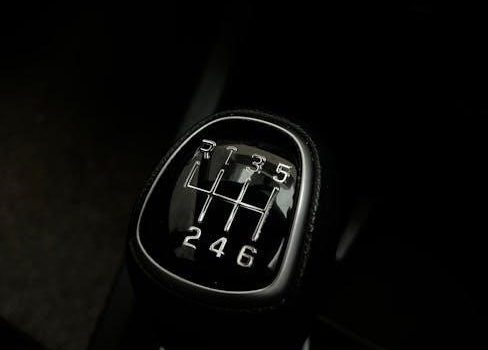
hyundai sonata manual
Category : Manuals
Hyundai Sonata Manual: A Comprehensive Guide
Discover the full potential of your Sonata! This guide, alongside the 2009 & 2013 repair manuals, unlocks features and functionality for all owners today.
Welcome to the definitive resource for your Hyundai Sonata! This manual serves as a comprehensive companion, designed to empower both new and experienced Sonata owners. Whether you’ve recently joined the “Club” – as some online communities affectionately call it – or are a long-time enthusiast, this guide will unlock the full potential of your vehicle.
We understand that navigating a modern vehicle can be complex. Therefore, this manual aims to demystify its features and functionality. It’s more than just a collection of instructions; it’s a pathway to understanding your Sonata’s capabilities, ensuring safe operation, and maximizing its lifespan. From routine maintenance to troubleshooting common issues, we’ve got you covered. Prepare to delve into a world of knowledge tailored specifically for your Hyundai Sonata!
Understanding Your Sonata’s Model Year

Hyundai Sonatas have evolved significantly over the years, with each model year introducing unique features and specifications. This manual acknowledges those differences, providing targeted information for various generations. Specifically, we’ll be focusing on the 2009 and 2013 models, recognizing they represent distinct eras in Sonata design and technology.
It’s crucial to identify your Sonata’s exact model year as certain procedures and component locations may vary. Utilizing the correct repair manual – whether the official Hyundai version or a reputable third-party resource – is paramount. This ensures accurate diagnostics and effective repairs. Understanding these nuances will save you time, frustration, and potentially costly mistakes. Consider this section your starting point for a model-year-specific understanding of your Sonata.
2009 Hyundai Sonata Manual Specifics
The 2009 Hyundai Sonata manual focuses on a generation known for its comfortable ride and value. Key areas covered include maintenance of the 2.4L inline-4 and 3.3L V6 engines, detailing oil change procedures and filter replacements specific to these powertrains. Owners should pay close attention to sections regarding the timing belt (if equipped) and recommended service intervals.
Troubleshooting common issues like warning light diagnostics and jump-starting procedures are also thoroughly addressed. The manual provides detailed diagrams of the instrument panel and explains the functionality of various controls. Remember to consult the manual for specific fuse locations and wiring schematics when performing electrical repairs. Accessing a dedicated 2009 repair manual will greatly enhance your ownership experience.
2013 Hyundai Sonata Manual Specifics
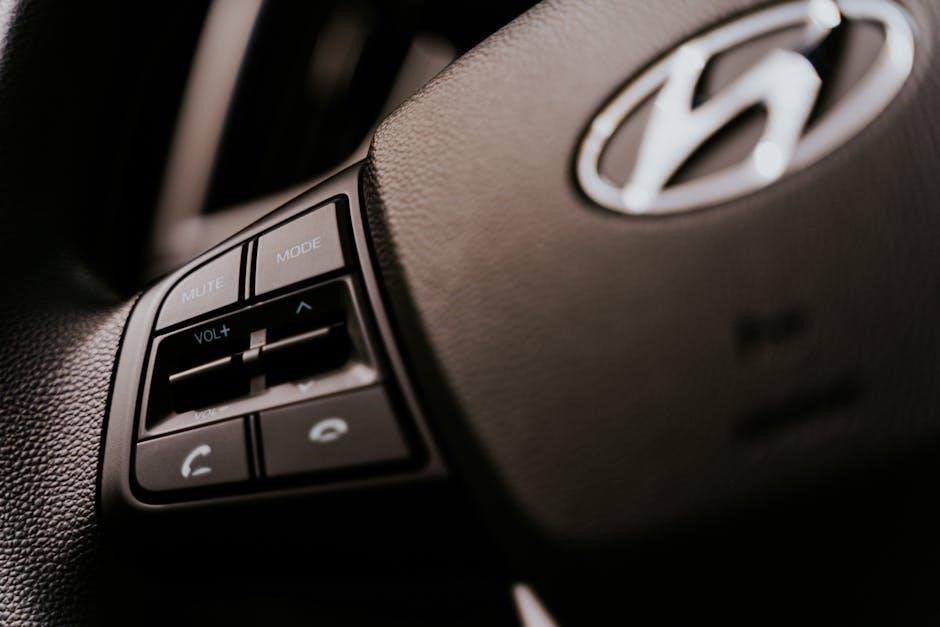
The 2013 Hyundai Sonata manual details a model year featuring updated styling and enhanced technology. This guide emphasizes understanding the vehicle’s improved safety features and infotainment system. Owners will find comprehensive instructions on operating the touchscreen interface, Bluetooth connectivity, and navigation system (if equipped). Maintenance sections cover the 2.0L Turbocharged GDI, 2.4L GDI, and Hybrid powertrains, with specific attention to GDI engine maintenance requirements.
Troubleshooting focuses on issues related to the newer electronic systems. The manual provides detailed information on jump-starting procedures and interpreting warning lights. Utilizing a dedicated 2013 repair manual alongside the owner’s manual will prove invaluable for both routine maintenance and more complex repairs, ensuring optimal performance and longevity.
Essential Sections of the Owner’s Manual
Your Hyundai Sonata owner’s manual is structured to provide crucial information for safe and efficient vehicle operation. Key sections begin with comprehensive Safety Precautions and Warnings, detailing airbag systems, seatbelt usage, and child safety restraints. Equally important is Vehicle Identification and Key Information, covering VIN decoding, engine specifications, and maintenance schedules tailored to your specific model.
Further sections explain all operating procedures, from starting the engine to utilizing advanced features. Understanding these core areas ensures responsible vehicle ownership. Regularly reviewing these essential sections will empower you to address potential issues proactively and maintain your Sonata’s performance and value over time.
Safety Precautions and Warnings
Prioritizing safety is paramount when operating your Hyundai Sonata. The owner’s manual dedicates significant space to crucial precautions. This includes detailed explanations of the airbag system – deployment zones, potential hazards, and proper seating positions. Seatbelt usage is emphasized for all occupants, outlining correct fitting and potential injury risks if not utilized.

Child safety receives extensive coverage, detailing proper installation and use of child restraint systems. Warnings regarding fuel handling, exhaust fumes, and electrical system hazards are also prominently featured. Always heed these warnings to prevent accidents and ensure the well-being of yourself and your passengers. Ignoring these precautions could lead to serious injury or vehicle damage.
Vehicle Identification and Key Information
Locating your Hyundai Sonata’s Vehicle Identification Number (VIN) is crucial for various purposes, including warranty claims, theft recovery, and service history tracking. The manual details the VIN’s location – typically on the driver’s side dashboard near the windshield, and also on the vehicle registration documents.
Understanding key codes and immobilizer systems is also covered. This section explains how to obtain replacement keys and the procedures for reprogramming them. Information regarding the engine and transmission codes, paint code, and other essential vehicle specifications are provided. Proper record-keeping of this information is highly recommended for future reference and to streamline any service or repair needs.
Operating Your Hyundai Sonata
Mastering the operation of your Hyundai Sonata begins with a thorough understanding of its core functions. This section provides detailed instructions on safely starting and stopping the engine, covering both standard and smart key systems. Explore the intricacies of the instrument panel, deciphering warning lights, gauges, and information displays to monitor vehicle performance.
Learn to effectively utilize all controls and features, including headlights, windshield wipers, turn signals, and hazard lights. The manual offers guidance on adjusting mirrors, seats, and climate control for optimal comfort. Discover how to operate the infotainment system, Bluetooth connectivity, and other technological features enhancing your driving experience.

Starting and Stopping the Engine
Proper engine operation is crucial for your Sonata’s longevity. This guide details starting procedures for both key-equipped and push-button start systems. Ensure the parking brake is engaged and the gear selector is in ‘Park’ before attempting to start. Familiarize yourself with the ignition sequence – typically requiring a full depression of the brake pedal alongside the start button.
To stop the engine, simply press the start/stop button while the vehicle is in ‘Park’ or ‘Neutral’. Avoid prolonged idling, as it can negatively impact fuel efficiency and engine wear; Understand emergency shut-off procedures and the function of the immobilizer system for enhanced security. Always consult the manual for model-year specific instructions.
Understanding the Instrument Panel
The Hyundai Sonata’s instrument panel provides vital information about your vehicle’s status. Key indicators include the speedometer, tachometer, fuel gauge, and temperature gauge. Pay close attention to warning lights – these signal potential issues requiring immediate attention. Familiarize yourself with the meaning of each icon, referencing the owner’s manual for detailed explanations.
The panel also displays information from the trip computer, including mileage, average fuel consumption, and estimated driving range. Learn to navigate the settings to customize the displayed information. Understanding the instrument panel empowers you to monitor your Sonata’s performance and proactively address any concerns, ensuring a safe and enjoyable driving experience.
Controls and Features – Lights, Wipers, and Signals
Mastering your Hyundai Sonata’s controls is crucial for safe operation. The headlight switch controls exterior lighting, including headlights, parking lights, and fog lights – understand the different settings for varying conditions. Wiper controls adjust speed and operation, with settings for intermittent wiping, continuous wiping, and rear window operation.

Signal controls activate turn signals and hazard lights; ensure proper usage before changing lanes or making turns. Familiarize yourself with the location of each control and practice using them while parked. Proper operation of these features enhances visibility and communicates your intentions to other drivers, contributing to a safer driving environment for everyone on the road.
Maintenance Schedule and Procedures
Maintaining your Hyundai Sonata is vital for longevity and performance. Regular maintenance, as outlined in your owner’s manual, prevents costly repairs and ensures optimal fuel efficiency. This includes routine checks and replacements of essential components.
Adhere to the recommended schedule for oil changes, filter replacements (air, fuel, cabin), and fluid level checks. Pay close attention to tire maintenance – proper inflation, rotation, and timely replacement are crucial for safety. Ignoring these procedures can lead to decreased performance, increased wear and tear, and potentially hazardous driving conditions. Consistent upkeep preserves your Sonata’s value and reliability.

Routine Maintenance – Oil Changes and Filter Replacements
Regular oil changes are paramount for your Hyundai Sonata’s engine health. Consult your owner’s manual for the recommended oil type and change intervals, typically every 7,500 to 10,000 miles, or annually. Neglecting oil changes leads to increased friction, wear, and potential engine damage.
Alongside oil changes, filter replacements are equally important. Air filters prevent contaminants from entering the engine, while fuel filters ensure clean fuel delivery. Cabin air filters maintain air quality inside the vehicle. Replace these filters according to the maintenance schedule outlined in your manual, contributing to optimal performance and a comfortable driving experience. Proper filtration extends the life of key components.

Tire Maintenance – Pressure, Rotation, and Replacement
Maintaining proper tire pressure is crucial for safety, fuel efficiency, and tire longevity. Check your tire pressure monthly using a reliable gauge, and inflate to the recommended PSI found on the sticker inside your driver’s side doorjamb. Underinflated tires wear unevenly and reduce gas mileage, while overinflated tires compromise ride comfort.
Regular tire rotation – typically every 5,000 to 7,500 miles – ensures even wear across all tires, maximizing their lifespan. Follow the rotation pattern specified in your Hyundai Sonata’s manual. Inspect tires for tread depth, damage, and uneven wear. Replace tires when tread depth reaches the legal limit, or if significant damage is present, prioritizing safety and control.
Fluid Checks – Coolant, Brake Fluid, and Power Steering Fluid
Regularly checking your Hyundai Sonata’s fluids is vital for optimal performance and preventing costly repairs. Inspect the coolant level in the reservoir when the engine is cold; add a 50/50 mix of coolant and distilled water if low. Brake fluid levels should also be checked, ensuring they remain between the minimum and maximum marks on the reservoir – low levels indicate potential leaks.
Power steering fluid is equally important. Check the reservoir and top up with the recommended fluid type if needed. Note any changes in fluid color or consistency, as this could signal contamination or a system issue. Refer to your owner’s manual for specific fluid types and checking procedures for your Sonata’s model year.
Troubleshooting Common Issues
Encountering problems with your Hyundai Sonata can be stressful, but many issues are easily addressed. Warning lights on the dashboard require immediate attention; consult your owner’s manual to decipher their meaning. If your battery is drained, learn the proper jump starting procedures to avoid damaging the electrical system – incorrect connections can be harmful.
Performing basic diagnostic checks, like inspecting fluid levels and checking for obvious leaks, can help pinpoint the source of the problem. Remember to always prioritize safety and consult a qualified mechanic for complex repairs. Utilizing online forums and repair manuals can provide valuable insights and guidance for tackling common Sonata issues effectively.
Dealing with Warning Lights
Illuminated warning lights on your Hyundai Sonata’s dashboard signal potential issues requiring prompt investigation. Do not ignore these indicators! The owner’s manual provides a detailed explanation of each light’s meaning, ranging from minor maintenance reminders to critical system failures. A solid light generally indicates an ongoing problem, while a flashing light often signifies a more urgent concern.
Common warning lights include the check engine light, oil pressure light, and battery light. Before assuming the worst, consult the manual to understand the specific code and potential causes. If you’re unsure, it’s always best to seek professional diagnosis from a qualified mechanic to prevent further damage and ensure your safety.
Jump Starting Procedures
A dead battery can leave you stranded, but safely jump-starting your Hyundai Sonata is often straightforward. First, ensure both vehicles are turned off and not touching. Connect the red (positive) cable to the positive terminal of the dead battery, then to the positive terminal of the good battery. Next, connect the black (negative) cable to the negative terminal of the good battery, and finally, to a grounded metal surface on the Sonata – not the negative terminal of the dead battery.
Start the good vehicle and let it run for a few minutes, then attempt to start the Sonata. Once started, carefully disconnect the cables in reverse order. Consult your owner’s manual for specific guidance and safety precautions related to your Sonata’s model year.
Basic Diagnostic Checks
Before seeking professional help, perform some basic checks. Visually inspect fluid levels – oil, coolant, brake fluid, and power steering fluid – noting any significant drops or leaks. Listen for unusual noises during engine operation, like knocking or hissing. Check the tire pressure and condition, looking for uneven wear or damage.
Pay attention to warning lights on the instrument panel; these provide crucial clues. A simple scan tool (available at auto parts stores) can read diagnostic trouble codes (DTCs) which pinpoint potential issues. Remember to consult your Sonata’s repair manual for DTC definitions and recommended actions. These initial steps can help you understand the problem and communicate effectively with a mechanic.
Hyundai Sonata Repair Manual Resources
Accessing reliable repair information is crucial for Sonata maintenance and repair. Official Hyundai repair manuals, often available through dealerships or online subscription services, provide the most accurate and detailed guidance. Numerous third-party repair manuals, like Haynes or Chilton, offer a more affordable alternative, covering common procedures.
Explore online databases and forums dedicated to Hyundai vehicles; these platforms often contain valuable troubleshooting tips and shared experiences from fellow Sonata owners. Online communities can be a fantastic resource for diagnosing tricky issues and finding solutions. Remember to verify information from unofficial sources before implementing any repairs. Utilizing a combination of these resources ensures you have the knowledge needed to keep your Sonata running smoothly.

Official Hyundai Repair Manuals
Genuine Hyundai repair manuals represent the gold standard for detailed and accurate vehicle information. Typically sourced directly from Hyundai, these manuals offer comprehensive coverage of every system within your Sonata, from engine mechanics to electrical diagrams. Dealerships are a primary source, though availability and cost can vary.
Alternatively, Hyundai offers online subscription services granting access to digital versions of these manuals, often updated with the latest technical bulletins. These digital resources frequently include wiring schematics, diagnostic flowcharts, and detailed repair procedures. While generally more expensive than third-party options, official manuals minimize the risk of incorrect information, ensuring repairs are performed to Hyundai’s specifications, preserving vehicle integrity and warranty compliance.
Third-Party Repair Manuals and Online Databases
Numerous third-party repair manuals, like those from Haynes or Chilton, provide a cost-effective alternative to official Hyundai resources. These manuals generally offer simplified instructions and diagrams, focusing on common maintenance and repair tasks. Online databases, such as ALLDATA and Mitchell OnDemand, deliver extensive repair information, including technical service bulletins and diagnostic trouble codes.
However, it’s crucial to verify the accuracy and model-year specificity of these resources, as information can sometimes be outdated or inaccurate. User reviews and comparisons are valuable when selecting a third-party manual or database. While potentially saving money, remember that relying solely on these sources may require additional research and a higher level of mechanical expertise.
Online Forums and Communities for Sonata Owners
Hyundai Sonata owners’ forums and online communities represent invaluable resources for troubleshooting, repair advice, and sharing experiences. Platforms like SonataForums.com and Reddit’s r/HyundaiSonata connect owners facing similar issues, fostering collaborative problem-solving. Members frequently share DIY repair guides, diagnostic tips, and insights into common Sonata problems.
These communities often feature dedicated sections for specific model years, ensuring relevant information. However, always critically evaluate advice received online, verifying information with official repair manuals or qualified mechanics. Participating in these forums can significantly enhance your understanding of your Sonata and potentially save on repair costs, but caution is advised.