
elenker upright walker manual
Category : Manuals
The ELENKER Upright Walker offers seniors a sturdy, adjustable mobility aid featuring 10 all‑terrain wheels, a foldable seat, and a spacious front pouch. Designed for ease, it supports independent walking while providing a safe, comfortable posture for daily use. Ideal for indoor/outdoor use.easy
Purpose and Target Users
The ELENKER Upright Walker is designed to support individuals with mobility limitations, providing aid that promotes independence and safety. Its core purpose is to offer a upright platform that encourages a walking rhythm while reducing strain on joints and muscles. This walker suits a broad spectrum of users, including seniors recovering from orthopedic surgeries, people managing arthritis or chronic back pain, and those rehabilitating after strokes or neurological events. By maintaining an upright posture, the device helps prevent falls, improves balance, and boosts confidence during ambulation. Caregivers can adjust the height to accommodate users of different statures, ensuring a comfortable, secure fit. The build and mechanism make it convenient for use in homes, assisted living facilities, and public spaces, allowing users to navigate indoor corridors, outdoor sidewalks, and uneven surfaces with ease. The walker’s design encourages gradual strength development and endurance, making it a valuable tool for mobility improvement. For individuals who require a transition from assisted walking to independent mobility, the walker offers bridge that allows gradual adaptation to new walking patterns. It is beneficial for those who experience fatigue or balance issues during prolonged walking, as the upright stance reduces the need for excessive and lowers the risk of muscle. The device also supports caregivers by reducing the physical strain associated with lifting or holding a patient, fostering a safer caregiving experience. By addressing both functional mobility and comfort, the ELENKER Upright Walker becomes a tool that supports users in achieving greater autonomy and confidence in their movements.

Key Features of the ELENKER Upright Walker
The ELENKER Upright Walker features 10 all‑terrain wheels, a fully adjustable frame, a foldable seat, and a front pouch for essentials. Its lightweight aluminum construction ensures portability while providing stability for indoor and outdoor use. Its ergonomic design and lightweight frame now
All-Terrain Wheels and Adjustable Frame
The ELENKER Upright Walker is engineered with a robust 10‑wheel configuration, each wheel equipped with a durable rubber tread that ensures smooth traversal across a variety of surfaces—smooth indoor floors, uneven outdoor paths, and even light gravel. The wheels are designed to lock securely, providing stability when stationary and preventing unintended rolling during use. Each wheel’s hub features a reinforced steel axle, enhancing longevity and reducing maintenance needs. The 10‑wheel setup also distributes weight evenly, reducing strain on the user’s joints and offering a stable platform for both walking and seated rest. The frame itself is constructed from high‑strength aluminum alloy, striking a balance between lightweight portability and structural integrity. It incorporates a telescoping design that allows the user to adjust the height to match their own stature or to accommodate different seating preferences. The width can be fine‑tuned by sliding the side rails, ensuring a snug fit for users of varying body sizes. The adjustable handle system is ergonomically contoured, featuring a soft‑grip material that reduces hand fatigue during prolonged use. The handle height can be set in increments, allowing for customization that aligns with the user’s comfort and mobility needs. Additionally, the frame is engineered with a low‑profile base that minimizes the risk of snagging on obstacles. The overall design promotes an upright posture, encouraging better balance and reducing the likelihood of fall

Models and Variations Available

The ELENKER lineup features the MT 8151, a lightweight model with a foldable seat, and the YF‑9008E, offering a larger frame and extra storage. Both models share the same all‑terrain wheelbase and adjustable height, catering to diverse mobility needs. Both models feature grips and a folding mechanism.!
ELENKER MT 8151 vs YF-9008E
The ELENKER MT 8151 and YF‑9008E models share core design elements—10 all‑terrain wheels, adjustable height, and a foldable seat—yet they diverge in dimensions, weight capacity, and accessory options. The MT 8151, weighing approximately 15 kg, is engineered for users who prioritize portability; its compact frame measures 1.2 m in width and 0.9 m in depth, allowing easy navigation through tight spaces and smooth folding into a 0.6 m package. Its seat reclines to 30°, offering a comfortable resting position for short breaks. The YF‑9008E, on the other hand, weighs 18 kg and features a slightly larger frame—1.4 m wide and 1.0 m deep—providing a more stable platform for users with higher weight limits (up to 120 kg). Its seat reclines to 35°, and it includes an integrated backrest for added support. Both models boast a 4‑point locking system that secures the frame at three height settings (0.8 m, 1.0 m, 1.2 m) and a fourth “high” position for taller users. The MT 8151 offers a single front pouch, while the YF‑9008E includes dual side pockets for extra storage. In terms of aesthetics, the MT 8151 is available in a sleek green finish, whereas the YF‑9008E comes in a classic black or navy option. Battery‑powered models are not available for either variant; both rely on manual operation. Ultimately, the choice between MT 8151 and YF‑9008E hinges on user size, weight, and the need for extra storage or a larger frame. The MT 8151 is ideal for lighter users seeking a lightweight, easy‑to‑carry walker, whereas the YF‑9008E suits heavier users who require a more robust frame and additional storage capacity. Both walkers are designed with user safety in mind, featuring anti‑slip grips and a sturdy frame that meets regulatory standards. Users should regularly inspect the wheels and brakes for wear, ensuring optimal performance and longevity. Regular maintenance will keep the walker reliable and safe for daily use. Additionally, the ergonomic handle design reduces strain on the wrists, and the adjustable height accommodates a wide range of users. The lightweight construction allows for easy transport, whether at home or on the go. These features combine to create a dependable mobility solution for seniors and individuals with mobility challenges.

Parts Overview and Specifications
The walker features a lightweight aluminum frame, 10 alloy wheels, a foldable seat with 30° recline, and dual side pockets. Adjustable height settings (0.8‑1.2 m) and a 4‑point locking system ensure stability. All components meet safety standards. The seat folds into a frame, easing wrist strain!!!!
Frame, Wheels, Seat, and Pockets
The ELENKER upright walker’s chassis is constructed from high‑strength aluminum alloy, providing a lightweight yet durable frame that resists corrosion and fatigue. The frame incorporates a modular design, allowing the seat to fold flat against the backrest and the wheels to retract into the side rails for compact storage. Each of the ten wheels is a 2.5‑inch alloy hub with a rubberized tread, engineered to maintain traction on smooth indoor surfaces, uneven outdoor paths, and even light gravel. The front wheel assembly includes a 360° swivel mechanism, while the rear wheels are fixed for stability. The seat is a padded, ergonomic cushion that reclines to a 30‑degree angle, offering a comfortable resting position during breaks. It features a removable, washable fabric cover and a built‑in safety strap that locks the seat in place when the walker is in use. The front pouch is a generous, waterproof compartment that holds a water bottle, medication, or personal items; it is secured with a snap‑closure and reinforced stitching to prevent leaks. Side pockets are integrated into the frame, providing additional storage for small accessories. All components are finished with a bright green paint that enhances visibility and adds a modern aesthetic. The walker’s weight capacity is rated at 300 lb (136 kg), and the adjustable height mechanism allows users to set the frame from 0.8 m to 1.2 m, accommodating a wide range of body sizes. The frame’s locking system uses a four‑point design to ensure that the walker remains rigid during movement, while the wheels lock independently to prevent unintended rolling. This combination of features delivers a reliable, user‑friendly mobility aid that supports safe walking, standing, and short periods of sitting.
Maintenance involves periodic inspection of wheel bearings, tightening of bolts, and cleaning of the seat cover. The walker’s frame can be cleaned with a damp cloth; avoid harsh chemicals that could damage the finish. For long‑term durability, replace worn wheel treads after 12,000 m of use, and lubricate the swivel joints quarterly. The walker’s design complies with ASTM F 1691 standards for mobility aids, ensuring it meets rigorous safety and performance criteria. Users should verify the lock engagement before each use and adjust the seat strap to prevent slippage. The bright green color not only enhances visibility in low‑light conditions but also contributes to a cheerful, modern look that encourages confidence in daily mobility. Overall, the ELENKER walker’s thoughtful combination of frame strength, wheel versatility, ergonomic seat, and practical storage makes it a reliable companion for seniors seeking independence and comfort. 2026

Step-by-Step Assembly Guide
Unpack walker, verify all parts. Attach front wheel hubs, lock with screws. Slide seat into frame, secure strap. Connect side rails, tighten bolts. Adjust height via lever, lock. Test stability, then fold for storage. Ensure all bolts are tight before use. Done
Unpacking and Initial Checks
Begin by carefully removing the ELENKER Upright Walker from its packaging. Inspect the outer box for visible damage; a dented or punctured container may indicate compromised components. Open the lid and lay the walker on a flat, stable surface. Verify that the included parts list matches the items present: frame sections, front and rear wheel assemblies, seat cushion, armrest pads, side pockets, adjustment levers, and the instruction manual. Each wheel should have a protective cover that must be removed before installation. Confirm that all screws, bolts, and nuts are present and that the torque wrench or Allen key set is included. Test the seat’s locking mechanism by sliding it into the frame and engaging the latch; it should lock firmly without excessive force. Ensure the armrests are positioned correctly, with padded sections aligned and the adjustable height lever functioning. Inspect the wheel hubs for proper alignment and ensure the caster wheels rotate freely. If any component appears damaged or missing, contact the retailer or manufacturer before proceeding with assembly. Place the walker on a level floor and gently push it forward to confirm that all wheels spin without resistance. Verify that the seat cushion’s foam density is adequate by pressing lightly; it should not compress excessively. Also, check that the wheel alignment is straight and that the seat cushion sits level to avoid wobble during daily use today. Finally, ensure the side pockets are securely closed for safety. After completing these checks, the walker is ready for the next assembly step.
Adjusting the Frame for Comfort
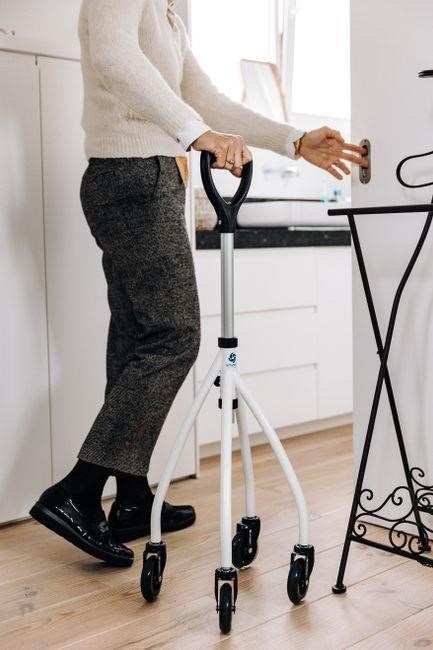
Set the frame height by sliding the adjustable lever until the seat sits level. Align the width by tightening the side bolts, ensuring armrests match shoulder width. Check the handle height; it should rest at mid‑forearm for natural grip. Adjust height!!
Height, Width, and Handle Settings
Adjusting the frame of the ELENKER Upright Walker is a straightforward process that ensures optimal comfort and stability. Start by setting the seat height: slide the adjustable lever until the seat is level with the floor, allowing the user’s knees to remain slightly bent when seated. Next, align the width by tightening the side bolts; the armrests should sit comfortably at shoulder width, providing a natural grip without strain. Finally, adjust the handle height: lift the handles until they rest at mid‑forearm level, ensuring the user’s wrists stay in a neutral position during walking. After each adjustment, test the walker’s balance by walking a short distance; the frame should feel firm yet responsive. Set dimensions reduce fatigue, improve posture, and enhance overall mobility. Remember to lock all adjustments securely before use to maintain safety and prevent accidental movement during daily activities. Adjusting the frame, always ensure the locking mechanisms are fully engaged before each use. A secured walker reduces the risk of accidental collapse, especially on uneven surfaces. Users should periodically inspect the wheels for wear and replace any that show signs of damage. Additionally, keep the front pouch organized to avoid overloading, which can shift the center of gravity and compromise stability. Regular maintenance, such as tightening bolts and cleaning rubber tires, extends the walker’s lifespan guarantees performance.

Using the Seat Feature Effectively
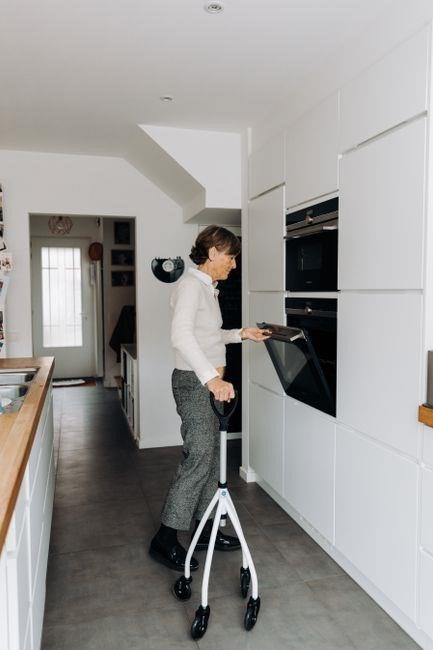
The ELENKER seat folds flat for transport and can be angled at 45° for rest. Adjust height by sliding lever until knees are slightly bent. Lock seat before use. While seated, place feet flat, hold handles, rest during walks. Seat cushion reduces pressure, backrest supports proper posture.!
Seat Positioning and Safety
Seat positioning on the ELENKER Upright Walker must be executed with precision to guarantee user safety and comfort. The seat should be fully extended and locked before the user sits. The backrest angle should be set to approximately 45 degrees, allowing the user to maintain a neutral spine while seated. The seat height must be adjusted so that the user’s knees are slightly bent, preventing undue pressure on the lower back. The footrest should be positioned so that the user’s feet rest comfortably without slouching. The lock lever must be engaged firmly to avoid accidental seat collapse. When the user stands, the seat should remain securely attached to the frame. If a temporary rest is required, the seat can be lowered to a 30‑degree angle, providing a gentle recline while still supporting the spine. The seat cushion should be inspected regularly for wear and replaced if it becomes uneven or soft, as this could compromise support. For users with limited upper body strength, the seat can be positioned closer to the frame to reduce the effort needed to sit or stand. Finally, ensure that the seat does not interfere with the walker’s wheels or handles; proper clearance prevents tripping hazards and maintains smooth mobility. Before each use, conduct a quick safety check: confirm that the seat lock is secure, the seat cushion is intact, and the seat angle is set correctly. If the user has a history of falls, consider adding a non‑slip mat on the seat cushion to enhance traction. The seat’s design includes a small recessed area for a personal item, which should be kept clear to avoid obstruction. Users should be instructed to sit only when the walker is on a stable surface; uneven terrain can cause the seat to tilt unexpectedly. If the walker is used outdoors, ensure that the seat’s angle is adjusted to accommodate the slope of the path. The seat’s foldable nature allows for easy storage; when folded, the seat should be locked in the collapsed position to prevent accidental extension. Proper seat positioning not only enhances comfort but also reduces fatigue, encouraging more frequent use and improving overall mobility outcomes. Safety.

Safety Tips and Best Practices
Always check the walker’s weight limit before use. Keep the frame level on smooth surfaces; avoid steep slopes. Secure the seat lock and armrests to prevent slips. Inspect wheels for wear, and keep the path clear of obstacles. Follow manufacturer guidelines for folding and storage and use brake.
Weight Limits, Surface Compatibility, and Fall Prevention
Before using the ELENKER Upright Walker, confirm that the user’s total body weight, including any carried items, does not exceed the manufacturer’s maximum of 250 lb (113 kg). This limit ensures the frame, wheels, and seat remain structurally sound and that the braking system can arrest motion safely. The walker’s all‑terrain wheels are rated for a 1‑inch load distribution, making them suitable for indoor hardwood, tile, or smooth carpet, as well as outdoor asphalt or compact gravel. Avoid uneven surfaces, loose rugs, or steep inclines that could destabilize the walker. When traversing stairs, use the armrests for support, step one stair at a time, and keep the walker’s wheels in contact with the tread. Engage the brake before stopping to prevent sliding. To minimize fall risk, keep the front pouch free of heavy objects that might shift the center of gravity; secure loose items with the pouch’s Velcro strap. Inspect the seat lock, wheel bearings, and brake function at least once a month; replace any worn components immediately. Educate users on proper hand placement—hands should rest on the armrests, elbows slightly bent, and shoulders relaxed—to maintain balance. Encourage a straight posture, looking forward, and using the seat only when a brief rest is needed. By following these guidelines—weight compliance, surface selection, stair technique, brake use, and regular maintenance—users can enjoy safe, confident mobility with the ELENKER Upright Walker. Maintain the wheels for smooth motion Use it safely.!